Is a Walking Pad Worth It? Buy One Only If It Solves This Problem
A walking pad is useful when it replaces a recurring block of sitting; it is poor value when you cannot name when, where, and how you will use it.
By Moow Editorial ·
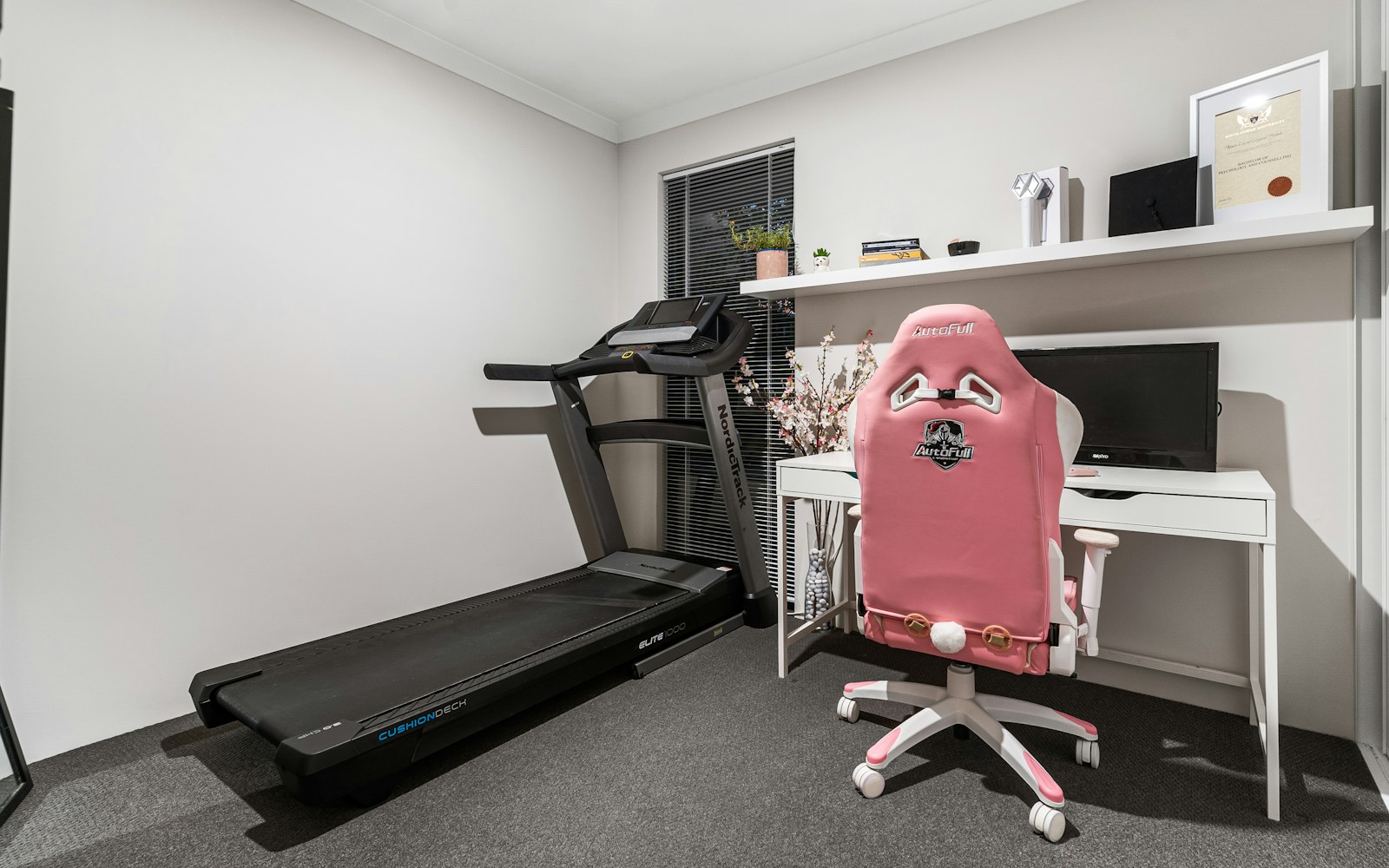
- A walking pad can add light movement and reduce sitting during suitable tasks.
- Buy only after identifying a repeatable use window and a safe workspace.
- Treat desk walking as extra low-intensity activity, not a replacement for all exercise.
Buy it to replace sitting, not to chase a trend
The practical question is whether you have one recurring thirty- to sixty-minute period when you currently sit and could safely walk during a low-focus task. If no such window exists, a walking pad is unlikely to change your week. If that window repeats most workdays, the device may make light activity more convenient.
Research on treadmill desks suggests they can increase energy expenditure and reduce sitting, but effects vary and the evidence does not turn desk walking into a metabolic cure. Its strongest case is behavioral: the machine places an easy movement option inside time that would otherwise be sedentary. It does not need to feel like a workout to be useful.
Before buying, complete five standing or ordinary walking breaks at the exact time you plan to use the pad.
Pass the workspace test first
Measure the machine's operating footprint, not only its folded dimensions. Check ceiling height, power-cord routing, noise below the room, storage access, and the clearance needed to step off both sides. The desk must remain stable, with the screen and keyboard positioned so walking does not force prolonged reaching or a downward stare.
Match the task to the movement. Listening, reviewing familiar material, and routine calls may work at an easy pace; detailed writing, design, calculations, or confidential conversations may not. If walking noticeably reduces work quality or makes you grip the desk, use a slower pace or separate movement from work rather than treating multitasking as mandatory.
- A specific daily use window
- Clear side and rear step-off space
- Stable desk and protected power cable
- A storage plan you can manage safely
- A return policy or trial period
Start slower and shorter than you think
Begin with brief sessions at a pace that allows normal conversation and precise foot placement. Increase time before speed. Regular shoes, a clear belt, and a visible stop control matter more than achieving an impressive pace. Alternate walking with sitting and standing so one posture does not simply replace another for the entire day.
Record minutes used rather than trusting calorie estimates from the machine. The most meaningful early question is whether weekly sitting fell and total movement rose. Public-health guidelines allow activity to accumulate across the week, so these minutes can contribute while dedicated brisk walking, strength work, and more vigorous activity serve other goals.
If you cannot type or think normally without drifting on the belt, the pace is too fast for that task.
Know what the pad does not replace
Easy desk walking may not raise intensity enough to build substantial cardiorespiratory fitness, and it does not train the major muscle groups against resistance. Think of it as a tool for replacing sedentary time. Keep purposeful walks, strength sessions, balance practice, or other activities that match your broader needs.
Walking pads add fall and entrapment risks around children, pets, loose clothing, and distracted users. Do not step onto a moving belt, walk during tasks that demand visual attention elsewhere, or use a device whose emergency stop is inaccessible. People with significant balance, gait, dizziness, or neuropathy concerns should discuss safe options before using one.
Sources
Keep children, pets, cords, clothing, and loose objects away from the belt; maintain clear step-off space and immediate access to the stop control. People with balance, gait, neuropathy, or recurrent dizziness concerns should seek individualized advice before desk walking.