What to Eat Before a Workout: Match the Food to the Clock
Eat a familiar carbohydrate-and-protein meal two to four hours before training, or choose a smaller carbohydrate-focused snack when only 30 to 90 minutes remain.
By Moow Editorial ·
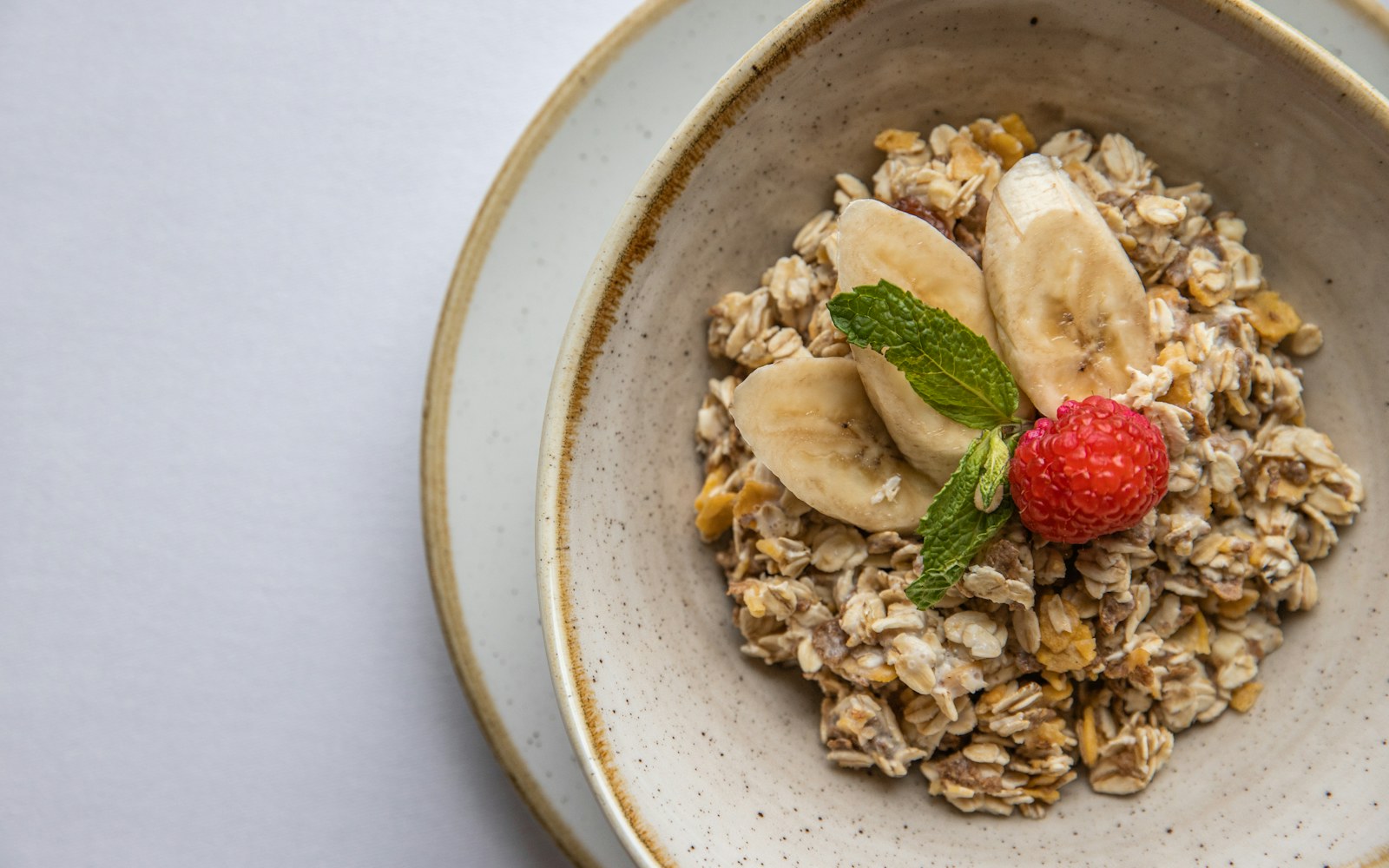
- Let time, session length, and intensity determine how much you eat.
- Favor familiar carbohydrates and moderate protein before demanding training.
- Short easy sessions may need no special pre-workout food.
Match the meal to the time available
With two to four hours before a demanding workout, eat a normal meal built around carbohydrate, a moderate serving of protein, and foods you digest comfortably. Rice with chicken and vegetables, oats with yogurt and fruit, or a tofu sandwich can all work. The goal is useful fuel, not a branded “pre-workout” recipe.
With only 30 to 90 minutes, make the choice smaller and easier to digest: a banana, toast with a little nut butter, yogurt, cereal with milk, or a simple fruit smoothie. Very high fat and fiber close to intense movement can feel heavy for some people, so save experimental meals for days when performance is not on the line.
- Two to four hours: balanced meal with carbohydrate and protein.
- Thirty to ninety minutes: smaller, familiar snack led by carbohydrate.
- Under thirty minutes: only a light option if hunger or session demands warrant it.
Let the session earn the fuel
A relaxed 30-minute walk after lunch rarely needs extra food. A long run, hard interval session, competitive match, or high-volume strength workout has a stronger case. Look at duration, intensity, and the time since your last meal before assuming every exercise session requires additional calories.
Carbohydrate is especially useful for sustained or high-intensity work because it supplies readily available energy. Protein before training can contribute to the day’s muscle-repair needs, but it should not push out all carbohydrate. Fat is not forbidden; simply keep the portion moderate if it slows digestion or causes discomfort.
Fuel the work you are actually doing—not the workout image on the packaging.
Worked example: a 6 p.m. strength session
Leila eats lunch at 1 p.m. and plans a 60-minute strength workout at 6. Five hours is a long gap, so at 4:30 she has yogurt with a banana and a small handful of cereal. The snack supplies carbohydrate, some protein, and enough volume to settle hunger without feeling like a second lunch.
If Leila had eaten a substantial meal at 4 p.m., no extra snack would be necessary. If the session lasted only 25 easy minutes, water and the next normal meal might be enough. The useful guide is simple: combine time since eating, current hunger, and session demand rather than eating by gym tradition.
Long gap plus hard session: add fuel. Recent meal plus easy session: probably do not.
Practice the plan before it matters
Digestive tolerance is individual. Some people run comfortably after toast; others need two hours. Record the food, timing, hunger, stomach comfort, and session quality for three similar workouts. Keep what works and change one variable at a time. Competition day should repeat a tested routine, not introduce a trending powder.
Hydration belongs in the plan, but forcing liters immediately before exercise can be uncomfortable and unsafe. Drink normally through the day and adjust for heat, duration, and sweat loss. For longer endurance events or medical nutrition needs, a sports dietitian can calculate carbohydrate and fluid strategies more precisely.
- Test food type before changing portion size.
- Then test timing while keeping the food familiar.
- Use performance and stomach comfort as the verdict.
Sources
People with diabetes, reactive hypoglycemia, gastrointestinal disease, food allergies, or a history of fainting during exercise need individualized advice. Stop exercising and seek care for chest pain, severe dizziness, confusion, or unusual weakness.