What “Estimated” Means in Moow’s Food and Nutrition Data
An estimated meal is a useful draft, not a laboratory measurement. Review the food, amount, serving basis, and source before using the numbers to guide a decision.
By Moow Product ·
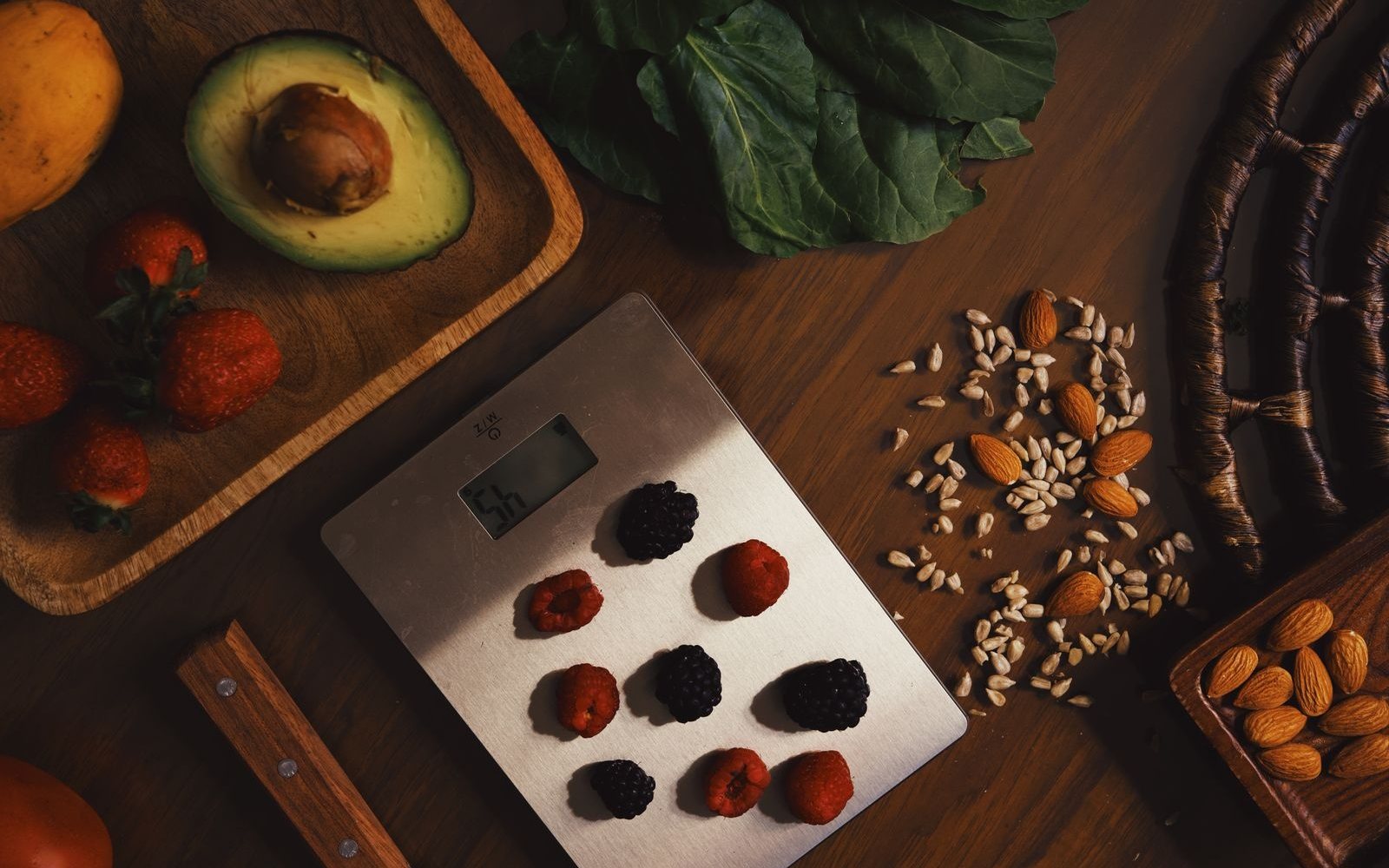
- Estimated identifies an approximation that still needs your review; it is not a stated error margin.
- Confirm the food identity, amount, unit, and serving basis before trusting scaled nutrients.
- Source, update, quality, and nutrient-origin fields add context but do not turn food data into a clinical measurement.
Estimated means review the draft
In Moow, a meal may be marked estimated when its calories or macronutrients are an approximation, including values entered manually or produced through an estimation flow. The label tells you not to treat the entry as a directly measured result. It does not express a statistical confidence interval or promise a particular percentage of accuracy.
Start with identity. Check that the selected food, brand where relevant, preparation, and portion describe what you ate. A plausible calorie total can still be wrong when the underlying item is different. Photo-based estimates can miss hidden oils, ingredients, portion depth, and recipe proportions, so the review step remains part of the workflow.
Serving choice changes every scaled value
Catalog foods can include more than one serving, such as a gram basis and a household portion. Nutrients are attached to a basis and scaled when you choose an amount. If one serving in the record represents 100 grams but your bowl contains a different mass, the displayed totals depend on that conversion and the amount you enter.
Nutrition Facts serving sizes describe the quantity customarily consumed and are not a personal recommendation. Package sizes, restaurant portions, and the amount on your plate may differ. When precision matters, use a gram amount or verified package portion when available; otherwise record the best reasonable estimate and preserve that uncertainty in your interpretation.
The arithmetic can be exact while the selected food or portion is still approximate.
Provenance explains where a value came from
Moow’s current catalog records can expose a primary source, additional sources, a last-updated value, and quality status or score. Individual nutrients may also carry a basis, serving identifier, value origin, confidence score, and source-updated date. These fields help distinguish sourced, derived, and user-provided context when that information exists.
Missing provenance does not mean a value is false, and present provenance does not guarantee that it matches your exact meal. Food composition varies by brand, recipe, season, processing, and laboratory method. User-created foods are kept as user-submitted records, while correction proposals follow a separate review trail; a personal edit does not silently establish a universal catalog fact.
Match precision to the decision
For general pattern awareness, a consistent reasonable estimate may be enough. Look across days and meals rather than reacting to a single number. For a packaged food, compare the exact label and serving. For a homemade recipe, total known ingredients and portions if the additional work meaningfully changes the decision you are making.
Do not use estimated app data to adjust insulin, treat an eating disorder, manage a metabolic disease, or make another clinical decision without the relevant care team. People with medical nutrition needs may require verified labels, measured portions, or clinician-selected tools. Moow supports review and logging; it does not convert an estimated meal into laboratory analysis. When you correct an entry, keep the unit and serving consistent so the revision reflects the intended food amount rather than a second conversion mistake.
Sources
Estimated nutrition data is not a clinical measurement. Do not use it alone for medication dosing, allergy safety, eating-disorder treatment, or management of diabetes, kidney disease, metabolic disorders, pregnancy nutrition, or other medical needs; follow verified labels and your care team’s guidance.