Vitamin B12 on a Plant-Based Diet: Plan It on Purpose
Vitamin B12 is not a nutrient to leave to chance on a vegan or largely plant-based pattern. Choose reliable fortified foods or an appropriate supplement plan.
By Moow Editorial ·
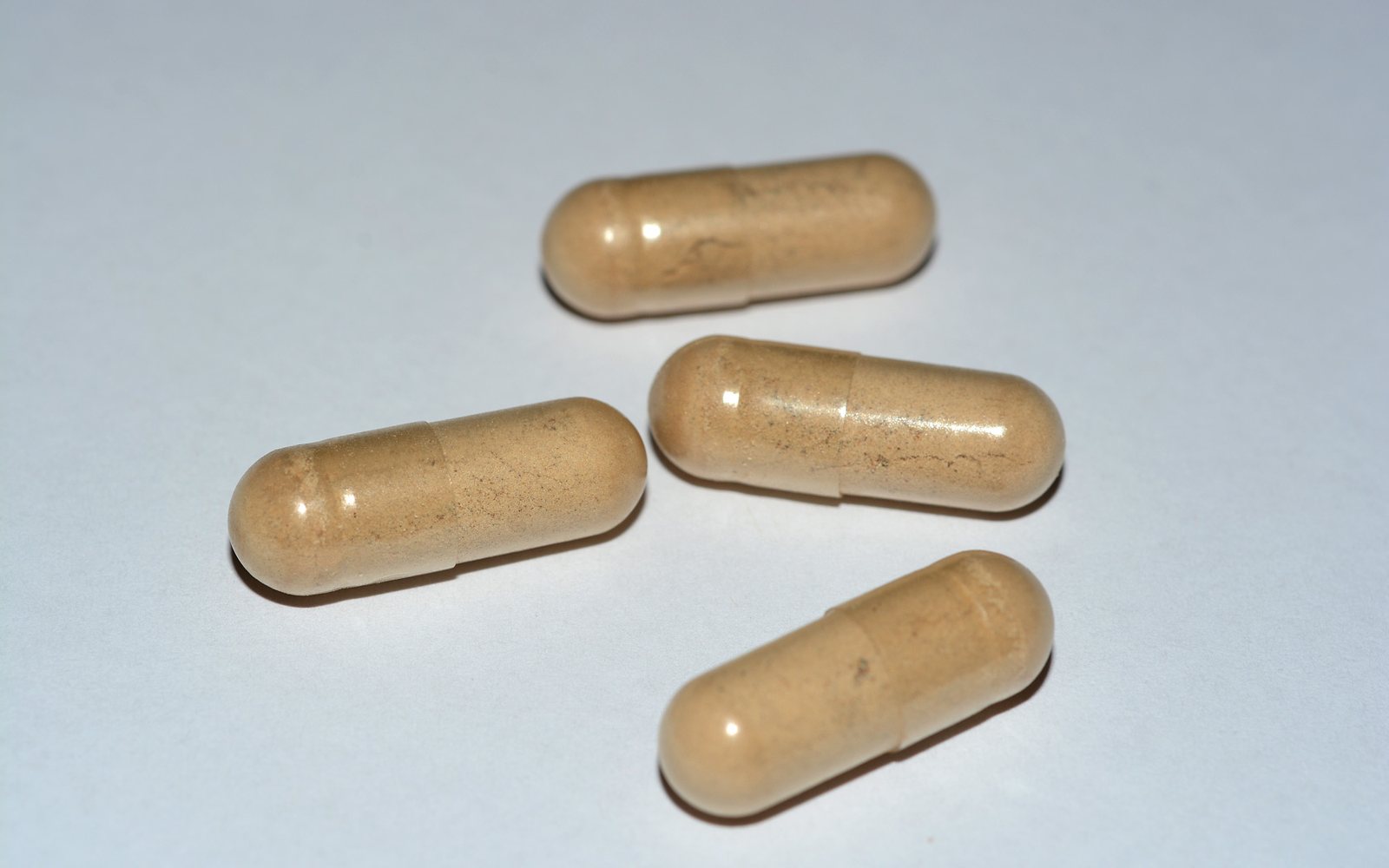

- Use fortified foods or a suitable supplement as dependable B12 sources.
- Check the actual label; plant-based branding does not guarantee fortification.
- Discuss testing when symptoms, medication, age, or absorption risk changes the picture.
A plant-based pattern needs a reliable B12 source
Vitamin B12 supports red blood cell formation, nerve function, and DNA synthesis. Natural food sources are primarily animal-derived, so a vegan diet needs fortified foods or a supplement planned on purpose. Fermented foods, sea vegetables, or an unverified nutritional yeast should not be assumed to provide dependable active B12.
Vegetarian diets may include milk, eggs, or other sources, but adequacy depends on the quantities and frequency actually eaten. A product being vegan, organic, or rich in other nutrients does not prove it contains B12. The Nutrition or Supplement Facts panel is the place to confirm an amount per serving.
Design a routine you can audit
List the fortified foods you use consistently—perhaps a plant drink, breakfast cereal, or nutritional yeast—and note their serving sizes. Brands and formulations change, so recheck labels when packaging changes. Occasional exposure is not the same as a dependable routine, especially if the product contains only a modest amount.
A B12 supplement can be the simpler option for many plant-based eaters, but the appropriate form, amount, and frequency depend on the product and individual context. Use recognized nutrition or clinical guidance rather than copying an influencer’s protocol. Keep the product visible in the same routine as another established habit.
Remember that absorption can change the question
Low intake is only one route to inadequate status. Older age, gastrointestinal surgery or disease, and some medicines can reduce absorption or affect B12 status. Someone who eats animal foods can still need evaluation. Conversely, feeling tired on a plant-based diet does not establish B12 deficiency without appropriate assessment.
Possible deficiency can involve fatigue, anemia, numbness, tingling, balance problems, or cognitive changes, but symptoms overlap with other conditions. Neurologic injury can become serious, so do not wait for a perfect symptom pattern. A clinician can select and interpret tests and investigate the cause when concern is warranted.
Review the whole plant-based plate
Planning B12 does not complete the diet. Review energy, protein, iron, calcium, vitamin D, iodine, and omega-3 sources as relevant, using a varied pattern of legumes, soy foods, grains, nuts, seeds, vegetables, fruit, and fortified foods. Make changes for genuine gaps rather than buying a stack of overlapping products.
Keep a simple record of fortified foods and all supplements, including amounts on the labels, and share it with a clinician or dietitian. This makes advice safer and helps prevent duplicate intake. A purposeful plan should feel ordinary: a reliable source, periodic review, and prompt assessment if risks or symptoms change.
Sources
Seek clinical assessment for persistent fatigue, numbness, tingling, balance changes, memory changes, or unexplained anemia. Pregnancy, gastrointestinal disease or surgery, and medicines that affect absorption warrant individualized advice; do not delay care while adjusting food alone.