Which Wearable Signals Are Actually Useful?
The most useful wearable metric is the one tied to a decision you can explain. Start with steps, sleep timing, resting heart rate, and completed training—then treat calorie burn as a rough estimate.
By Moow Product ·
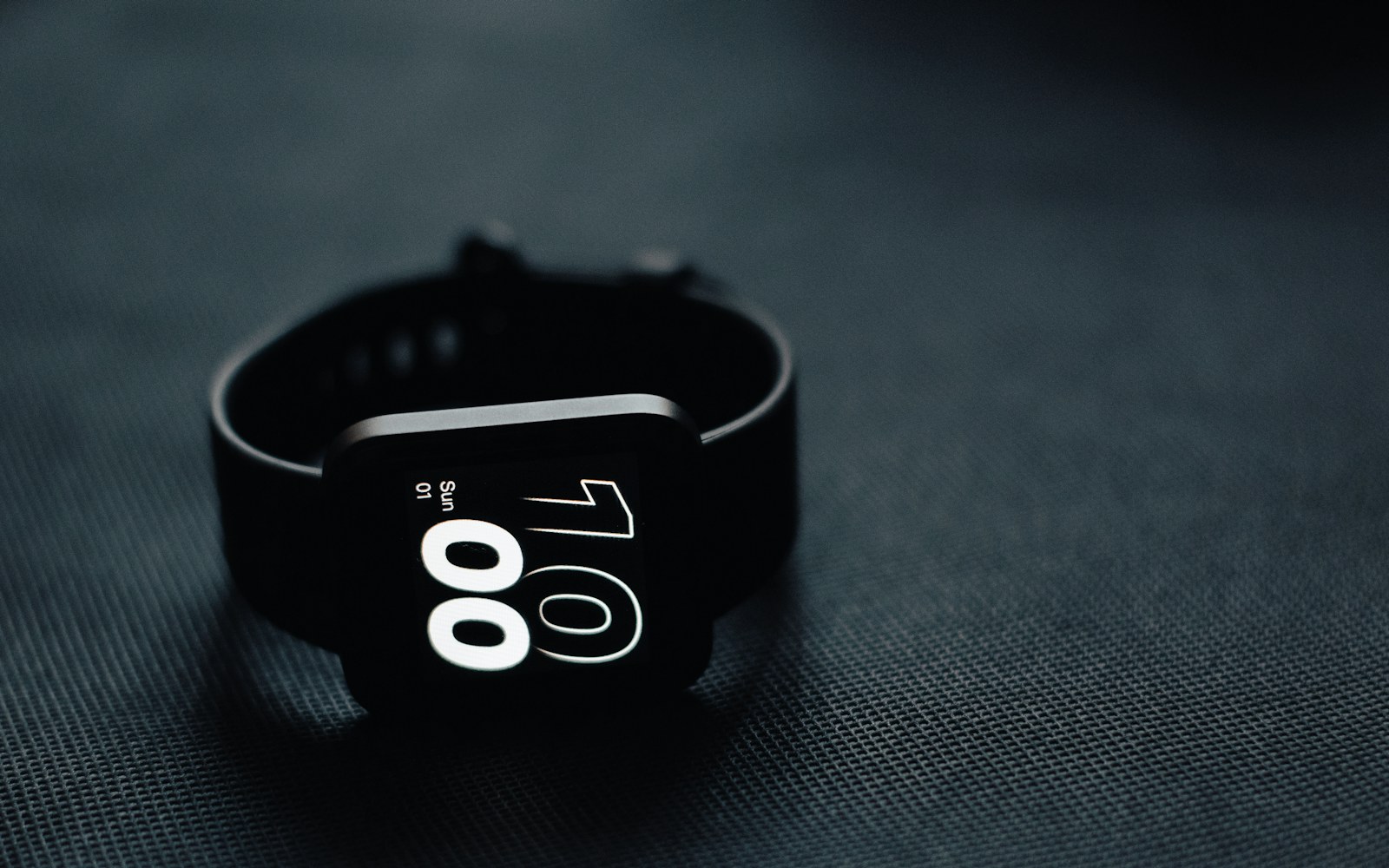
- Use wearable values as personal trends rather than universal grades.
- Steps and heart rate are generally more dependable than energy-expenditure estimates.
- Moow’s production wearable connections are planned and not yet finalized.
A metric earns its place by changing a decision
Wearables can produce dozens of values, but more data does not automatically create more useful guidance. Start with the decision. Steps can reveal whether a normally active day became sedentary. Sleep timing can show a shifting routine. Resting heart rate may flag a personal departure worth noticing. Workout history can prevent the week from being remembered as harder or easier than it was.
The comparison should usually be you versus your own recent baseline under similar conditions. Device algorithms, placement, skin contact, movement, and firmware all affect measurement. A generic readiness grade can combine several uncertain inputs into one precise-looking output. Keep the underlying signals visible so the person can decide whether the score agrees with context.
Begin with four understandable signals
Daily steps are useful for movement patterns, not as a moral score or a universal 10,000-step requirement. Sleep duration and timing can support routine awareness, while stage estimates are less direct than a sleep laboratory. Resting heart rate can be informative as a repeated trend measured under similar conditions. Completed workouts provide direct behavioral context even when the wearable’s exercise classification is imperfect.
HRV can be useful for some people when captured consistently, but day-to-day values are sensitive to protocol and interpretation. Workout load is also model-dependent. Neither should automatically cancel a session. A signal becomes actionable when the system can say what changed, over what period, and what low-risk option follows—for example, checking symptoms or replacing a maximal effort with a familiar moderate session.
- Steps: useful for daily movement patterns and long sedentary stretches.
- Sleep duration and timing: useful for routine trends; stages are estimates.
- Resting heart rate: useful against a stable personal baseline.
- Training history: useful for remembering actual frequency and workload.
Treat calorie burn as the weakest planning number
Consumer devices estimate energy expenditure from sensor data and population equations. Reviews consistently find meaningful variation across devices and activities. Heart rate may be measured reasonably in some conditions while calorie burn remains substantially less reliable. The exact number should not be eaten back automatically or treated as a measured daily budget.
For nutrition planning, a stable intake estimate combined with multiweek body-weight and performance trends is usually more interpretable than chasing each day’s exercise calories. Wearable energy can still provide relative context—this hike was probably more demanding than a desk day—but the interface should avoid false precision and should never present the value as a guarantee.
A wearable can detect a pattern without knowing the exact physiological cost of the day.
Moow’s integration status is still development-stage
Moow’s marketing direction includes steps, sleep, heart rate, activity, and workout context from supported phone-health platforms and wearables. The current Today data model displays steps and sleep, while the website concept also shows resting heart rate and workout load. Production providers, permissions, synchronization rules, and device coverage have not been finalized.
Before release, each connection needs a visible source, last-sync time, missing-data state, and disconnect control. Moow should distinguish measured, device-estimated, user-entered, and derived values. The product value is not owning every metric; it is choosing a few that make a transparent daily decision better while allowing the user to continue without a wearable.
Sources
Consumer wearables do not diagnose illness or rule out a problem. Seek medical care for concerning symptoms or persistent unexpected changes, regardless of whether the device reports a normal score.