Travel Recovery: Keep the Anchors, Loosen the Plan
Travel changes time, food, space, and sleep. Keep a few controllable anchors, lower training expectations, and rebuild the usual rhythm after arrival.
By Moow Editorial ·
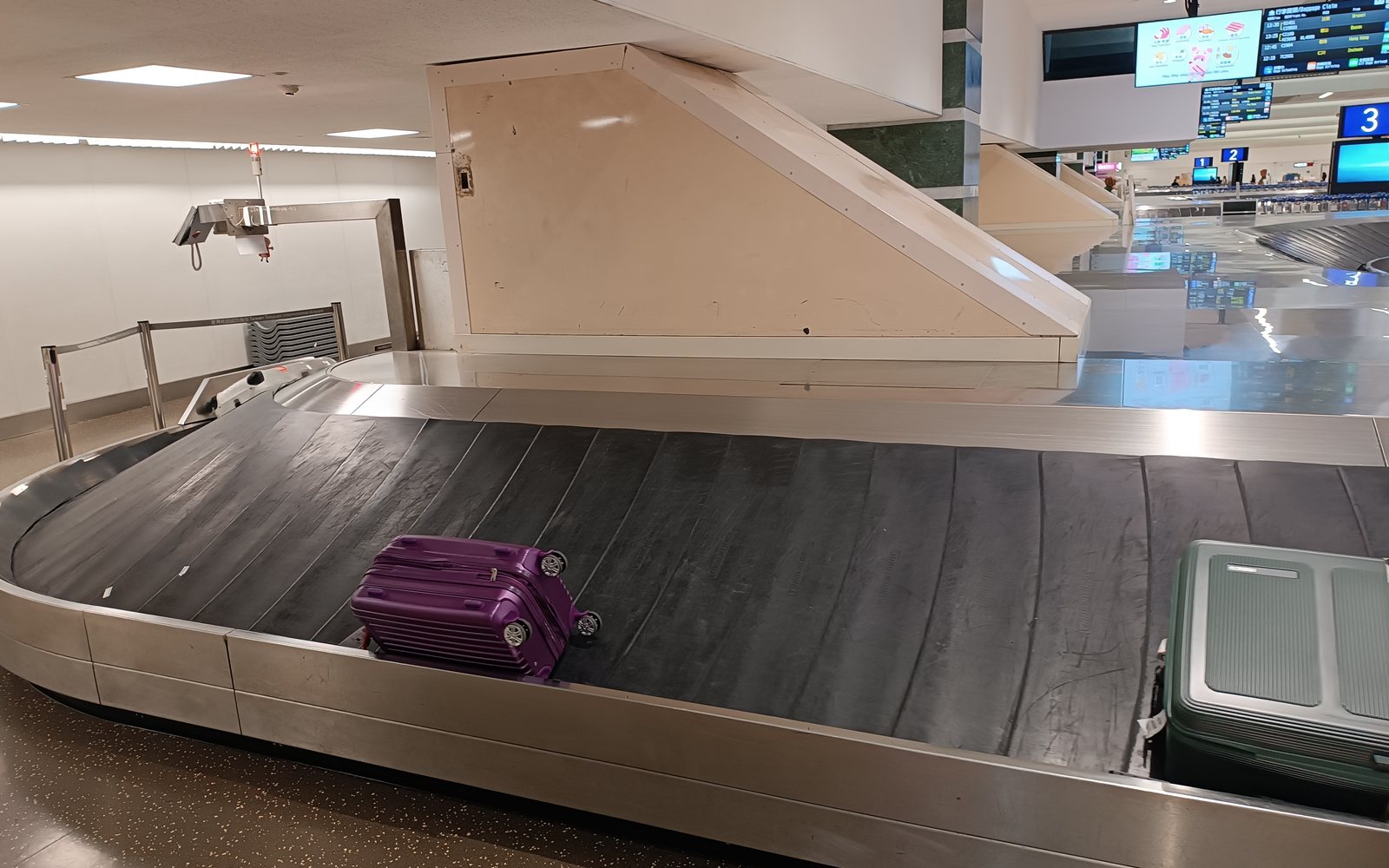

- Keep two or three anchors: local wake time, daylight, meals, and easy movement.
- Reduce training demand until sleep and coordination are closer to normal.
- Return to routine progressively instead of compensating for missed sessions.
Expect disruption without declaring failure
Travel changes time zones, light exposure, meal timing, sleep environment, sitting duration, and decision load. Even without crossing zones, an early departure or unfamiliar bed can affect recovery. Build the plan on the assumption that capacity may be temporarily lower rather than treating every disruption as poor discipline.
Choose two or three anchors you can influence. A consistent local wake time, daylight after waking, ordinary meals, and easy walking are practical options. An anchor is a repeated reference point, not a strict itinerary. Keep it when possible and resume at the next opportunity when transit makes it impossible.
Use local time as the destination cue
After arrival, align waking, meals, and activity gradually with local time. Daylight is an important time cue, but timing needs can differ by travel direction and schedule. The CDC Yellow Book offers trip-specific planning guidance; complicated time-zone shifts or critical performance may justify professional advice before departure.
Make the sleep environment as predictable as practical: cool, dark, quiet, and free of unnecessary alerts. Use an eye mask or earplugs if they are familiar. Avoid treating alcohol as a sleep tool. If a nap is necessary, keep it purposeful so it does not consume the main opportunity to sleep locally.
Train below the itinerary
Long sitting, poor sleep, heat, unfamiliar equipment, and dehydration can change coordination and effort. On the first day, choose walking, mobility, or a short familiar strength session that leaves several repetitions in reserve. Save maximal lifts, hard intervals, and complex skills until warm-up and everyday energy feel closer to normal.
A ten-minute hotel-room session can protect routine without pretending it equals a complete program. Use squats to a chair, wall or counter presses, hinges, calf raises, and easy trunk work if the space is safe. Stop before fatigue changes control; the trip is not a fitness test.
Rebuild after the suitcase is home
Do not repay missed workouts with doubled volume. Resume the normal schedule at a reduced dose if sleep remains disrupted, then restore one variable at a time. Grocery basics, a familiar breakfast, daylight, and the usual bedtime routine often re-establish rhythm more effectively than a dramatic cleanse or punishing session.
Review what traveled well. Perhaps wake time and walking survived while a detailed meal plan did not. Keep the effective anchors for the next trip and simplify the rest. If sleep disturbance is severe, persists well beyond travel, or accompanies concerning physical or mental-health symptoms, seek clinical support.
Sources
Travel can increase risks beyond routine fatigue. Seek urgent care for chest pain, fainting, severe shortness of breath, confusion, or one-sided leg swelling with pain, especially after prolonged immobility. Ask a clinician about jet-lag medicines or supplements rather than self-prescribing.