Train With a Friend Who Has a Different Fitness Level
Training together does not require identical loads, speeds, or goals. Share the time and structure while each person keeps an appropriate dose.
By Moow Community ·
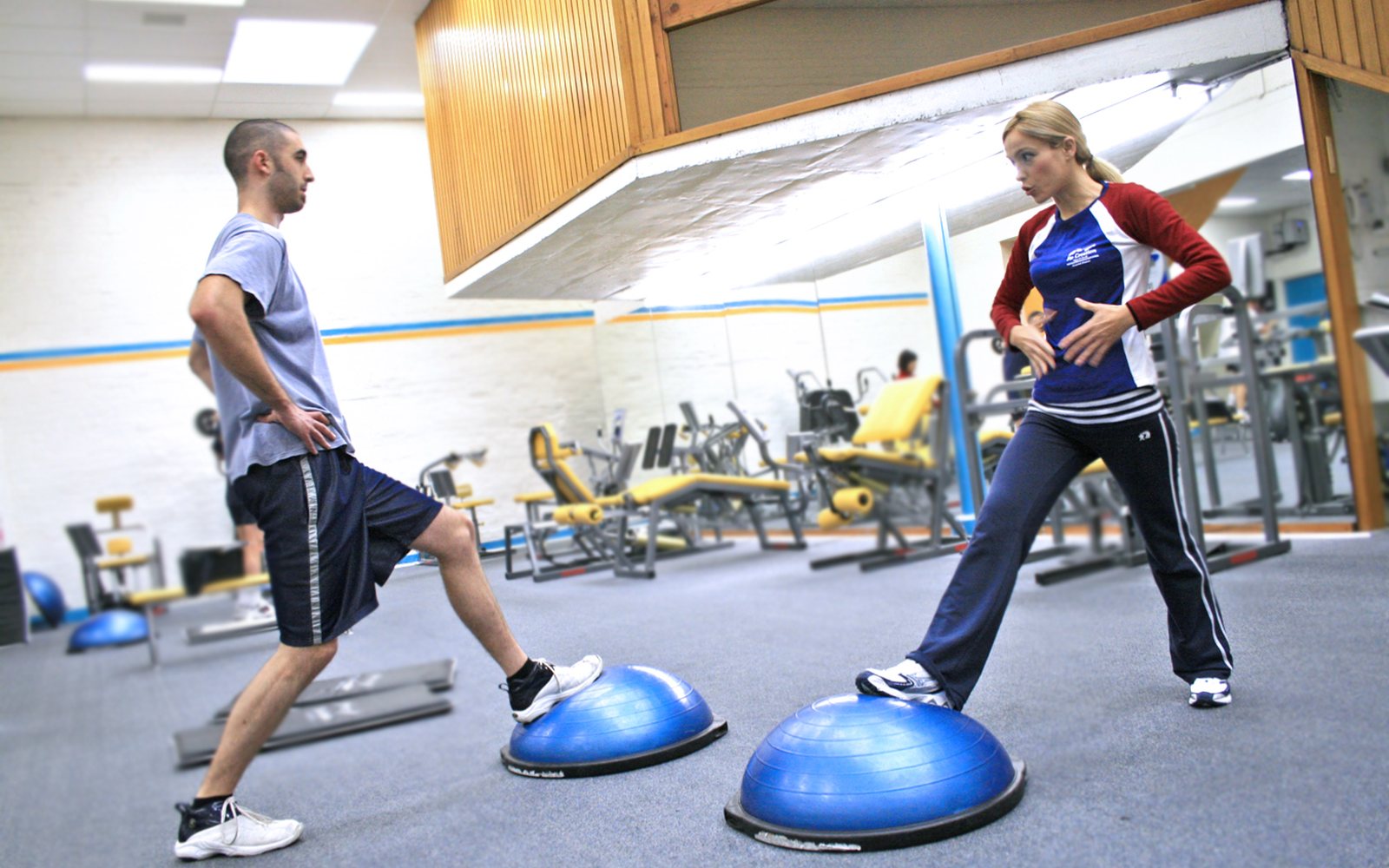

- Share the session clock and movement purpose instead of matching every number.
- Choose exercises with independent load, range, and pace options.
- Agree that either person can modify or stop without explanation or penalty.
Choose an adjustable format
Use time blocks or stations rather than a race to finish. During a ten-minute block, each person completes controlled rounds at an appropriate pace and rests when needed. For a walk or run, use an out-and-back route, short loops, or timed intervals so no one is abandoned. Select equipment that can be adjusted without long setup delays.
Pair exercises by purpose: incline and floor push-ups, goblet squat and supported squat, easy cycling and harder cycling. The movements do not have to look identical. Keep technical exercises separate if one partner needs focused coaching. A friend can support the session without becoming an unqualified instructor.
- Share time blocks while using individual repetitions and rest.
- Use short loops or regroup points for different cardio paces.
- Match the movement purpose rather than the exact variation.
Remove ranking from the workout
Do not turn weights, calories, pace, body size, or sweat into a running score unless both people explicitly want a suitable competition. Even then, raw numbers rarely create a fair comparison. Celebrate attendance, a controlled repetition, or following the agreed plan. Avoid praise that implies the less experienced person is brave merely for participating.
Use neutral check-ins: 'Does this dose still fit?' or 'Do you want more rest?' Do not interrogate a modification or insist someone explain pain, disability, pregnancy, medication, or a private health issue. Make changing the plan ordinary. The safer partnership is one where either person can say stop without managing the other's disappointment.
Support is useful when it makes autonomy easier, not when it disguises pressure.
Agree on safety before effort rises
Discuss spotter expectations, route, weather, emergency contact, and how you will respond if separated. A spotter should understand the equipment and the lifter's requested help. On outdoor sessions, account for light, heat, traffic, and each person's access needs. Bring what the conditions require rather than assuming one person's preparation covers both.
Stop for chest discomfort, faintness, severe unusual breathlessness, confusion, or sharp and worsening pain. Call for appropriate help instead of trying to coach through it. A partner can improve adherence and enjoyment, but cannot replace medical clearance or individualized programming when a condition, injury, or pregnancy changes exercise safety.
Sources
Each partner needs an appropriate individual dose and the right to modify or stop. Seek emergency help for chest discomfort, faintness, severe unusual breathlessness, confusion, or sudden neurological symptoms. A friend is not a substitute for condition-specific medical or exercise guidance.