Strength Training After 50: Build Capacity, Not Caution
Age changes the context, not the value of strength. Train major movement patterns, progress from current ability, and use recovery to keep building.
By Moow Editorial ·
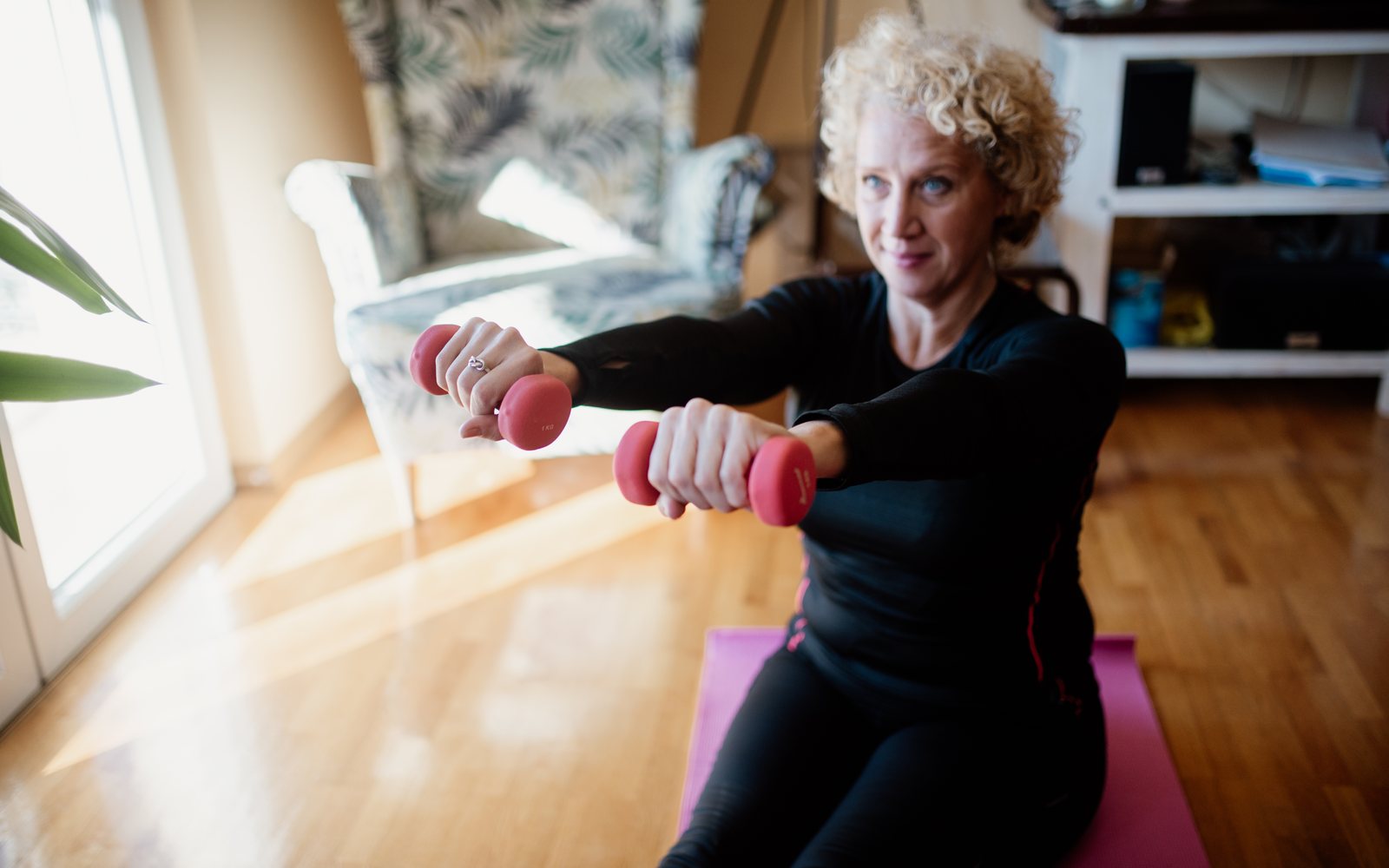

- Train major muscle groups with movements scaled to current ability.
- Progress load, repetitions, range, or complexity one step at a time.
- Include balance and power preparation instead of treating aging as a reason to stop.
Strength remains trainable
Resistance training supports the ability to rise, carry, climb, brace, and manage daily tasks. Adults do not age out of those adaptations. Training history, health conditions, pain, confidence, and access matter more for exercise selection than a birthday alone. The starting point should be individual, but the goal can still be genuine capacity.
Public-health guidance recommends muscle-strengthening activity for older adults as part of a broader week that also includes aerobic and balance work. That does not require bodybuilding routines or complex equipment. It requires enough resistance to challenge the working muscles while movement stays controlled and recoverable.
Cover useful patterns with adjustable exercises
A practical full-body session can include a chair squat or leg press, hip hinge, row, press, step, calf raise, and carry. Machines may offer stability; dumbbells and bands make loads easy to scale; body-weight variations reduce equipment needs. No tool is automatically safest for every person.
Begin with one or two work sets per movement and stop while several technically sound repetitions remain. Use a range that feels available today rather than forcing textbook depth. When the same work feels easier across sessions, add a repetition, small load, or slightly larger range—one change at a time.
Prepare for speed without rushing
Everyday life sometimes demands force quickly: catching a stumble, crossing a street, or lifting an object before grip fades. After establishing technique and baseline strength, selected movements can use a purposeful, faster lifting phase with a controlled return. The resistance must be light enough that speed does not become a throw.
Balance practice belongs in the same plan. Supported single-leg holds, step variations, and controlled direction changes can progress gradually. Keep a stable support within reach and separate challenging balance from heavy loading until both skills are dependable. More advanced work is earned through consistency, not withheld because of age.
Use recovery to guide the weekly dose
Leave time between demanding sessions for the same muscle groups, particularly during the first month. Review sleep, soreness, joint response, and daily function. A useful session may create fatigue, but it should not repeatedly make stairs, work, or sleep worse. Holding steady during a stressful week is sensible programming.
Medical conditions and medications can affect balance, blood pressure, bone health, heart rate, and recovery. They call for appropriate modifications, not a blanket instruction to avoid strength. A qualified clinician and trainer can help translate restrictions into exercises, while your log shows which loads and movements are actually tolerable.
Sources
Seek individualized guidance if you have unstable cardiovascular disease, uncontrolled blood pressure, recent surgery, significant osteoporosis, recurrent falls, or unexplained symptoms. Stop for chest pressure, fainting, sudden weakness, or pain that is sharp or progressively worsening.