Strength Before Cardio—or Cardio Before Strength?
When strength and cardio share a session, put the priority first. If both matter equally, choose the order that preserves quality and fits the week.
By Moow Editorial ·
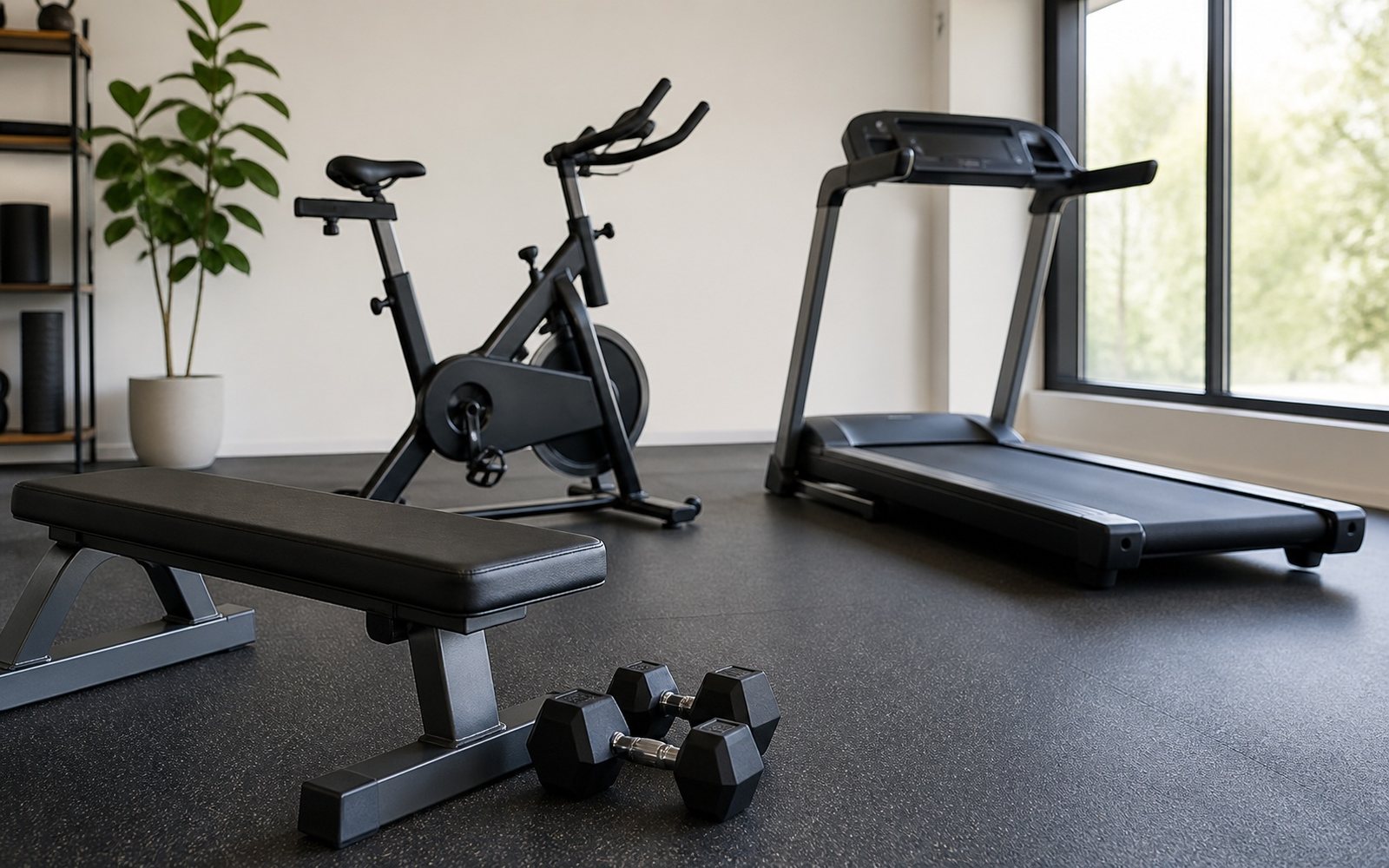
- Perform the session's highest-priority work while attention and energy are fresh.
- Keep a warm-up easy enough that it prepares rather than pre-fatigues you.
- Separate demanding strength and cardio sessions when both need high quality.
Put the priority first
If your main goal is to improve a squat, complete the key strength work before a demanding run or ride. If you are preparing for a running event, perform the important run before accessory lifting. Early in a session, coordination, attention, and energy are usually highest. Giving that window to the priority makes the order a planning decision rather than a rule about which type of exercise is superior.
An easy cardiovascular warm-up does not violate this principle. Five or ten minutes of gentle cycling, walking, or rowing can raise temperature and help you feel ready for strength work. The distinction is dose: a warm-up leaves you more prepared, while a hard 30-minute effort may reduce the load, speed, or technique you can bring to the lifts that follow.
First is a place of emphasis, not a declaration that one form of fitness matters more.
Separate demanding sessions when you can
If both strength and endurance sessions need high output, schedule them on different days or with several hours between them when life allows. Separation creates time to eat, hydrate, and regain focus. It is a refinement, not a requirement: two shorter modes in one visit remain far more useful than an ideal split you cannot attend.
When same-day training is necessary, shorten the secondary block. A few steady minutes after lifting or a compact set of accessory exercises after the run can maintain the habit without pretending both are peak sessions. Record how the second block performs over several weeks. If loads, pace, recovery, or enthusiasm trend down, the combined dose—not your character—may need adjustment.
A workable combined session beats a perfect two-a-day that does not fit your life.
Build a week, not a duel
Strength and aerobic training support different capacities and belong in a broad fitness plan. Avoid turning order into an identity contest. Look across seven days: where are the hardest leg demands, where is recovery available, and which session most needs fresh technique? Move the pieces until the important work is distributed rather than crowded.
Fatigue can change what is safe in the second block. Reduce load or speed if balance, landing, bracing, or equipment control deteriorates. Stop for chest discomfort, faintness, severe unusual breathlessness, or sharp and worsening pain. People managing a health condition or returning after illness or injury may need a more individualized combination and starting dose.
Sources
Reduce or end the second training block when fatigue compromises balance, technique, or equipment control. Stop for chest discomfort, faintness, severe unusual breathlessness, or sharp and worsening pain. Seek individualized planning when a condition, medication, injury, or recent illness affects exercise tolerance.