Your Sleep Score Is Not a Diagnosis
Use a wearable sleep score as a rough trend over several weeks, never as proof that you slept well—or that something is medically wrong.
By Moow Editorial ·
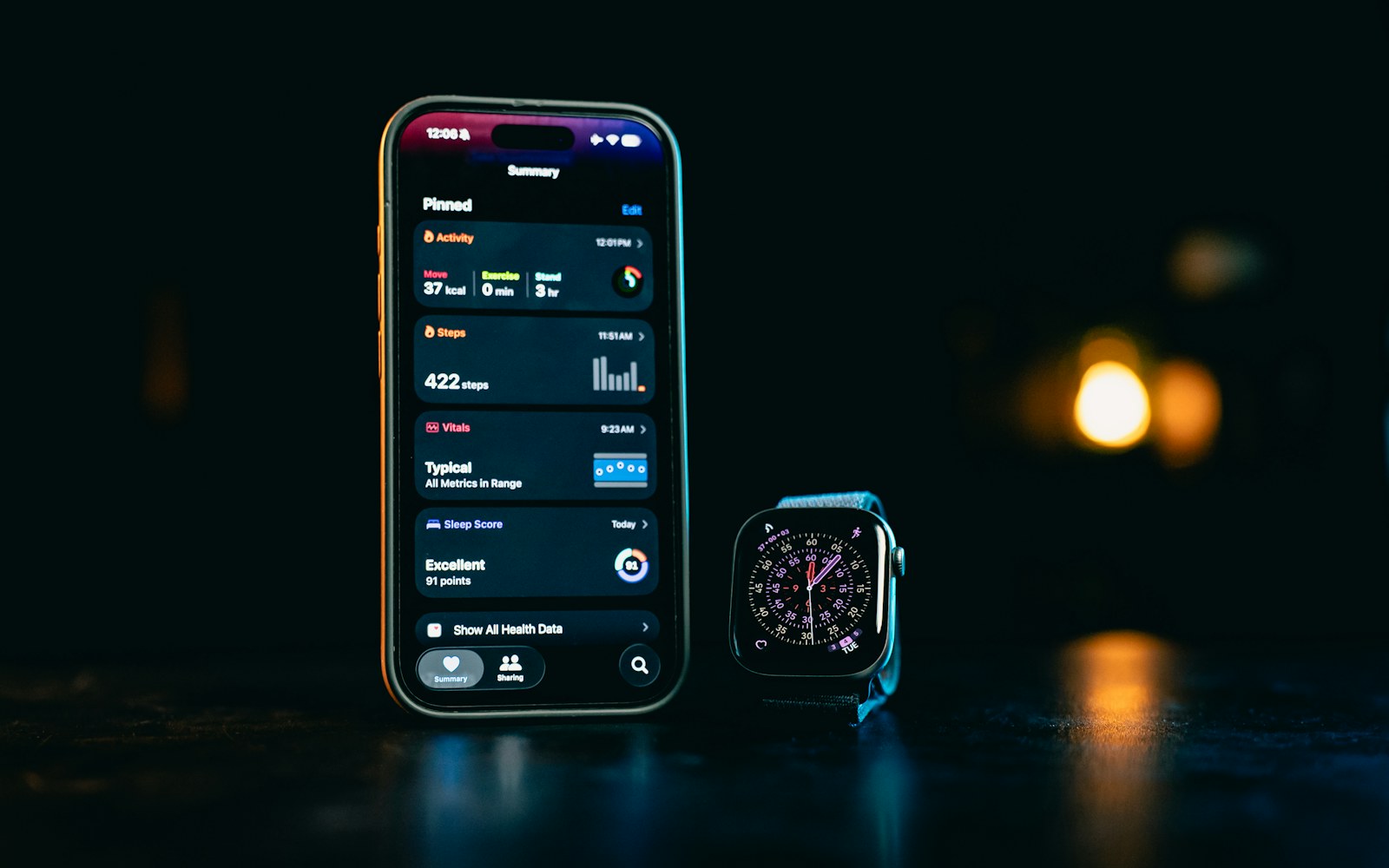
- Consumer sleep trackers estimate sleep indirectly and can misclassify sleep and wake.
- Compare multi-night patterns under similar conditions instead of reacting to one score.
- Symptoms and daytime function matter more than an app's reassurance or alarm.
Treat the score as an estimate
The practical rule is to use a sleep score only for broad personal trends across at least two weeks. Do not cancel a workout, add supplements, or conclude that you have a sleep disorder because of one red number. Equally, do not ignore persistent sleepiness or breathing symptoms because the app awarded an excellent score.
Most consumer devices infer sleep from movement, heart signals, temperature, or combinations of sensors rather than measuring brain activity like clinical polysomnography. A 2026 systematic review found meaningful differences from polysomnography, including tendencies to overestimate total sleep and efficiency and underestimate wakefulness. Performance also varies by device and person.
The device sees signals; it does not observe sleep in the same way as a clinical sleep study.
Ask questions the device can help answer
Wear the same device in the same position and compare similar weeks. Look for stable relationships: does a later caffeine dose coincide with later estimated sleep onset, or does a consistent wake time reduce variability? Treat those patterns as prompts for a small experiment rather than proof of cause.
Total sleep time and sleep timing are usually more interpretable than precise stage percentages. Even those estimates can be wrong, so pair them with a simple diary of bedtime, wake time, awakenings you remember, and daytime function. Agreement between the diary, symptoms, and a multi-night wearable trend is more useful than a proprietary composite score.
- Compare fourteen nights, not one
- Keep device and wearing position consistent
- Track bedtime, wake time, caffeine, and daytime sleepiness
- Test one behavior change at a time
Do not let tracking worsen sleep
If checking the score first thing creates anxiety, changes your memory of the night, or makes you extend complicated bedtime rituals, hide the score for a week. Good sleep is not a performance competition. Excessive focus on optimization can make ordinary nightly variation feel like failure and increase time spent worrying in bed.
Use a prewritten decision rule: no change after one unusual night; review after a repeated pattern; act only on a low-risk behavior you can evaluate. For example, move caffeine earlier for one week rather than buying a recovery product. A tracker should simplify decisions, not generate a new diagnosis every morning.
If the score changes how you feel more than your sleep changes how you function, take a break from the score.
Let symptoms outrank the algorithm
Seek professional assessment for ongoing insomnia, excessive daytime sleepiness, loud snoring, gasping, witnessed pauses in breathing, morning headaches, or dangerous drowsiness. Bring the diary and wearable trend if useful, but do not expect the device to confirm or exclude a condition.
Consumer-wearable accuracy also differs across skin contact, movement, device generation, software updates, and populations represented in validation research. A score is therefore unsuitable for comparing two people. Its narrowest defensible use is helping one person notice a repeated pattern while remaining honest about uncertainty.
Sources
A consumer sleep score cannot diagnose or exclude insomnia, sleep apnea, or another disorder. Seek assessment for persistent sleepiness or insomnia, snoring with gasping or breathing pauses, morning headaches, or any drowsiness that makes driving or work unsafe.