Sauna After Training: Heat Is Stress, Too
A sauna may feel relaxing after exercise, but it adds heat and fluid strain. Make it optional, enter recovered enough to choose clearly, and leave early.
By Moow Editorial ·
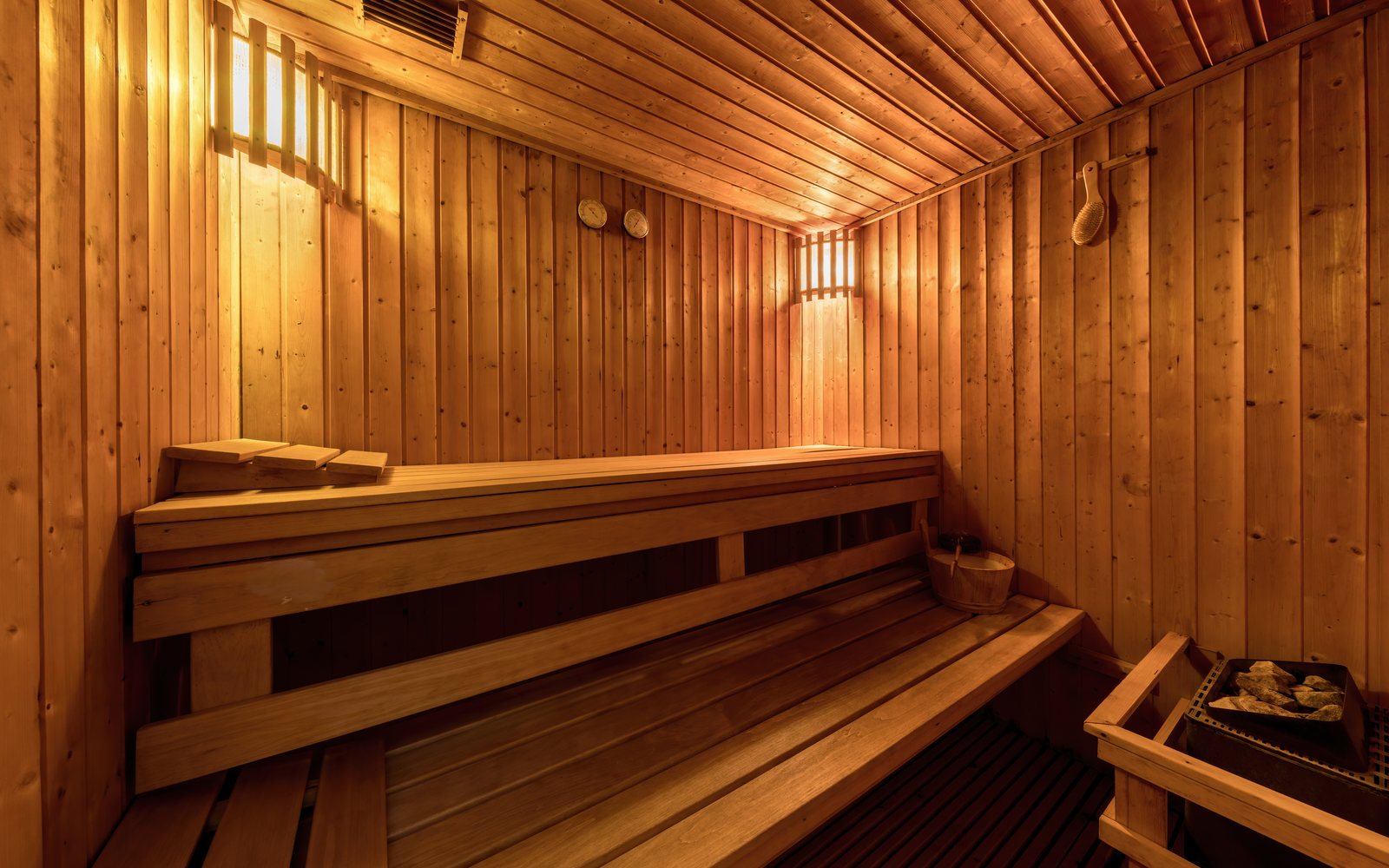

- Count sauna time as added heat exposure, not passive recovery.
- Cool down, assess symptoms, and replace ordinary fluid losses before deciding.
- Leave immediately for dizziness, nausea, confusion, weakness, or a pounding heartbeat.
Heat is another stressor
Training already raises body temperature, circulation, and sweat loss. Entering a sauna immediately adds environmental heat while those systems are still working. The experience may feel calm, but calm sensation does not mean zero physiological demand. Treat sauna exposure as an optional extra with its own tolerance and recovery cost.
A sauna is not required to make a workout count, remove toxins, or repair muscle. Your liver, kidneys, lungs, and gastrointestinal system handle normal waste processing. Post-training recovery still rests mainly on suitable workload, time, food, fluids, and sleep. Use heat because you enjoy and tolerate it, not to erase a session.
Create a buffer before entering
Finish the workout, walk or move easily until breathing settles, and notice how you feel. If you are already lightheaded, nauseated, chilled, confused, unusually weak, or cramping, skip the sauna. Those are not challenges to overcome with more heat. Move to a cooler place and address symptoms.
Drink according to thirst and the context of the session rather than forcing extreme volumes. After long, hot, or very sweaty exercise, fluids and food containing sodium may be useful. Alcohol adds impairment and dehydration risk, so it should not be combined with sauna use. Never rely on the sauna as a rapid weight-loss method.
Keep the first exposure conservative
Facilities vary in temperature, humidity, ventilation, and rules, which makes universal timing misleading. Begin below the posted maximum, sit where exit is easy, and leave while you still feel well. Do not compete with another person’s duration or use a wearable heart rate as permission to ignore symptoms.
Cool gradually afterward and replace normal fluid and food needs. Weighing less immediately after heat exposure mostly reflects fluid change, not meaningful fat loss. If sauna use worsens sleep, headaches, training quality, or next-day energy, reduce or remove it. An optional ritual should not compromise the recovery it claims to support.
Know when heat needs clinical context
Heat tolerance can change with cardiovascular disease, blood-pressure problems, pregnancy, fever, dehydration, recent illness, and medicines that affect sweating, circulation, alertness, or fluid balance. Seek individualized advice rather than borrowing a general sauna routine. Children and people unable to exit independently need particular protection from heat exposure.
Use a buddy or attended facility if you are uncertain, and never lock yourself into the space. Confusion, collapse, fainting, chest pressure, severe headache, or hot skin with altered mental status can signal an emergency. Exit, cool the person, and contact local emergency services rather than waiting for the symptom to pass.
Sources
Skip sauna use when ill, feverish, intoxicated, dehydrated, or already symptomatic after exercise. Seek urgent help for fainting, confusion, chest pain, seizure, severe weakness, or inability to cool. Ask a clinician about heat exposure if pregnant or managing relevant conditions or medicines.