Resistance Bands vs Dumbbells: Which Should You Buy First?
Choose bands for portability and low-cost variety; choose dumbbells for simple, measurable loading. Either can build strength when you train consistently.
By Moow Editorial ·
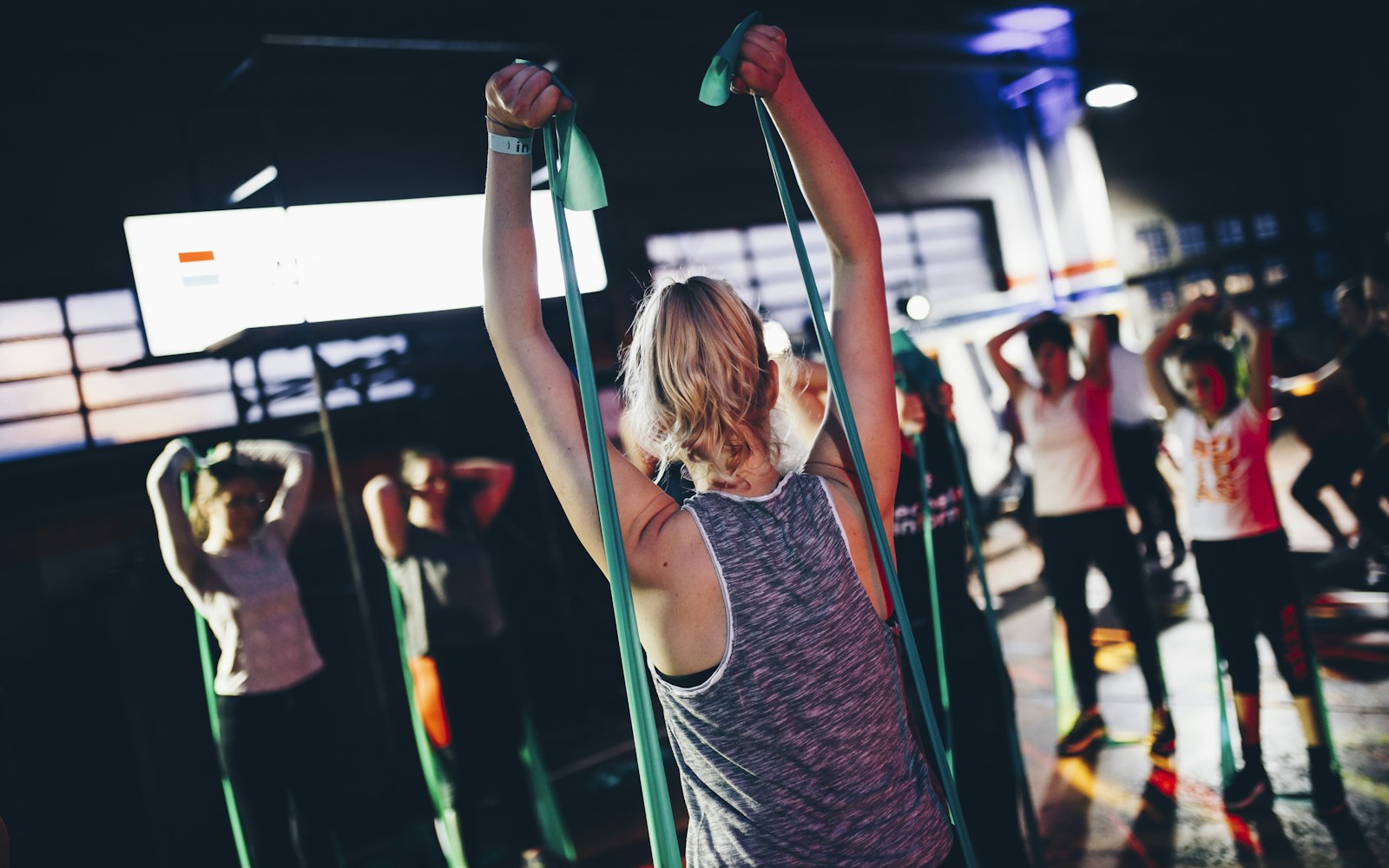
- Bands and dumbbells can both produce meaningful strength gains.
- Your first purchase should match your space, exercises, and preferred way to progress.
- A long band plus one adjustable weight is often more useful than a large matching set.
Use this fast decision rule
Buy bands first if storage, travel, price, or gentle entry-level resistance is the main constraint. Buy an adjustable dumbbell first if you value a load that is easy to quantify and want straightforward squats, hinges, presses, rows, and carries. If the budget permits, one long band and one adjustable weight complement each other better than either tool pretending to do everything.
A systematic review found that elastic and conventional resistance training produced similar strength improvements across the included studies. That does not make every band exercise identical to its dumbbell version. It means both can create an effective challenge when the exercise, resistance, effort, and progression are appropriate.
The winner is the tool you can set up safely, progress clearly, and use at least twice a week.
Understand how the resistance feels
A dumbbell's mass stays constant, although leverage makes different parts of a lift feel harder. Band tension generally rises as the band stretches, so the top of a press or squat may feel much harder than the beginning. That changing resistance can be useful, but it can also make exact comparisons between band colors or brands unreliable.
Dumbbells make progress easy to record: note the load, repetitions, and sets. With bands, record the band, grip position, anchor distance, and exercise setup. Shortening a band or stepping farther from an anchor can add tension, but only if the setup remains repeatable and the band is not stretched beyond the manufacturer's guidance.
- Bands: portable, inexpensive, versatile, and easy to store
- Dumbbells: stable reference load, intuitive progression, and strong carry options
- Both: effective only when the final repetitions are genuinely challenging with controlled form
Match each tool to its strongest jobs
Bands are particularly useful for rows, pulldown patterns, assisted exercises, lateral hip work, and movements that need resistance from a horizontal angle. Dumbbells shine in loaded carries, hinges, goblet squats, floor presses, and exercises where gravity provides the desired line of pull. Neither requires an elaborate routine.
A balanced first program might pair band rows with dumbbell squats, presses, Romanian deadlifts, and carries. If you own only bands, use stance, range, repetitions, and band tension to progress. If you own only dumbbells, include bodyweight or floor-based upper-back work until you have a safe pulling option rather than improvising a dangerous anchor.
Inspect before you invest—and before every session
For bands, look for clear resistance information, durable attachment points, and replacement guidance. Check for cracks, sticky patches, whitening, or damaged seams before use, and keep the band away from sharp edges. For dumbbells, verify that collars and adjustment mechanisms lock securely and that changing plates does not create more friction than the workout itself.
Begin with a resistance that allows smooth, controlled repetitions and leaves a small margin before technique deteriorates. ACSM's updated guidance places consistency and adequate effort above complicated equipment choices. Stop a set when control is lost; equipment is a way to apply resistance, not a reason to override pain, instability, or unsafe surroundings.
Do not attach a band to a door, rail, or piece of furniture unless the attachment and structure are designed for that load and direction.
Sources
Use only secure, manufacturer-approved anchors, inspect elastic material before every session, and keep bands away from the face. Check adjustable dumbbell locks before lifting. Modify or stop any exercise that causes sharp pain, joint instability, numbness, or loss of control.