Protein Powder: Choose Convenience, Not a Better Health Halo
Protein powder can close a practical gap, but it is still one food tool. Judge it by need, label, tolerance, cost, and how it fits the rest of the day.
By Moow Editorial ·
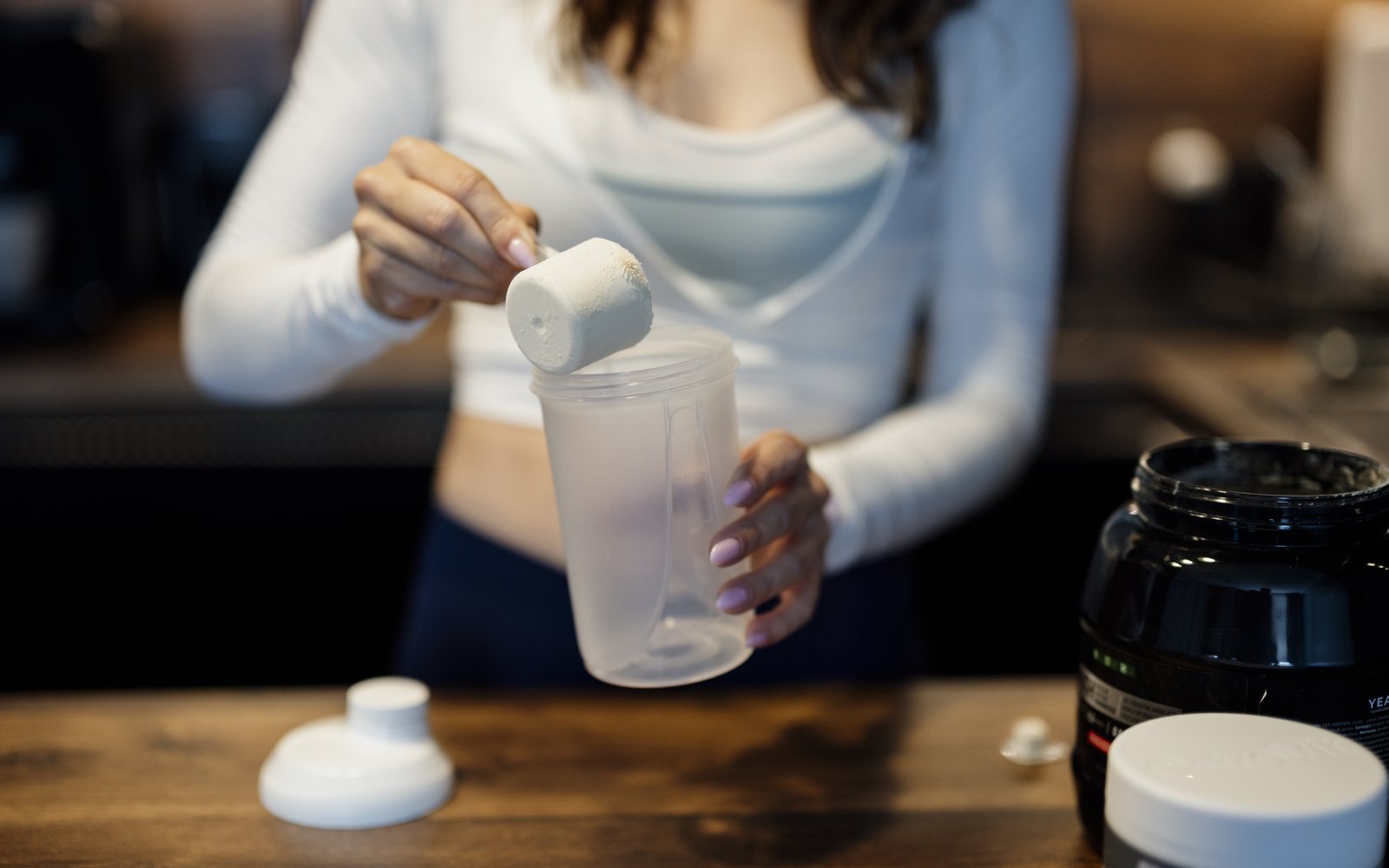

- Use powder when convenience solves a real protein gap.
- Compare protein per serving, full ingredients, allergens, cost, and tolerance.
- Keep varied whole foods in the pattern for nutrients, texture, and satisfaction.
Ask what problem the powder solves
Protein powder is concentrated food or a dietary supplement, depending on how it is sold. It can make breakfast faster, travel easier, or recovery nutrition more accessible when appetite or cooking time is limited. Those are legitimate benefits. They do not make powder inherently cleaner, more anabolic, or healthier than protein-rich meals.
First estimate whether ordinary food already covers your pattern. Eggs, dairy, soy foods, beans, lentils, fish, poultry, meat, nuts, and seeds can all contribute. If a recurring gap remains—such as a rushed post-training commute—a powder may be the lowest-friction bridge rather than a mandatory fitness purchase.
Read beyond the grams on the front
Use the serving size and protein amount on the facts panel, then scan the complete ingredient and allergen lists. Concentrates, isolates, and plant blends differ in taste, texture, lactose content, and cost; the most processed-sounding name is not automatically inferior or superior. Choose the product your body and budget tolerate.
Look for caffeine, herbal blends, sugar alcohols, added vitamins, and multiple scoops hidden inside one serving. A product marketed for performance may combine several active ingredients. If your only goal is convenient protein, a short, understandable ingredient list makes it easier to know what you are taking and identify a problem.
Fit powder into a complete eating pattern
A shake made only with water may deliver protein but little carbohydrate, fiber, or total energy. That can be fine when the next meal is close. When it must function as a snack, blend or pair it with fruit, oats, milk or fortified plant drink, yogurt, or another food that meets the actual fueling need.
Keep meals varied. Whole foods bring chewing, flavor, culinary enjoyment, and nutrients that a scoop may not provide. More protein is not endlessly better, and powders should not crowd out enough carbohydrate and total energy for training. Distribution across several meals is usually more practical than concentrating most intake in one oversized shake.
Buy with proportion, not promises
Dietary supplements are not approved by FDA for safety and effectiveness before sale. Avoid disease claims, guaranteed transformations, proprietary mystery blends, and pressure to stack products. Independent certification can add a layer of manufacturing or banned-substance assurance, particularly for tested athletes, but no seal proves that a product is necessary or effective for you.
Test a small container before committing to a subscription. Note digestion, taste, ease of use, and the cost per useful serving. Stop if it produces concerning symptoms. The best protein powder is not the one with the loudest health halo; it is the optional product that reliably solves a defined problem without creating another.
Sources
Check with a clinician or registered dietitian if you have kidney disease, significant food allergies, pregnancy, an eating-disorder history, or a medically prescribed diet. Stop use and seek care for swelling, breathing difficulty, severe gastrointestinal symptoms, or another possible allergic reaction.