Plate Method vs. Macro Tracking: Choose the Least Work That Solves the Problem
The plate method is enough for most everyday meals; track macros only when a specific performance, clinical, or calibration question makes precision useful.
By Moow Editorial ·
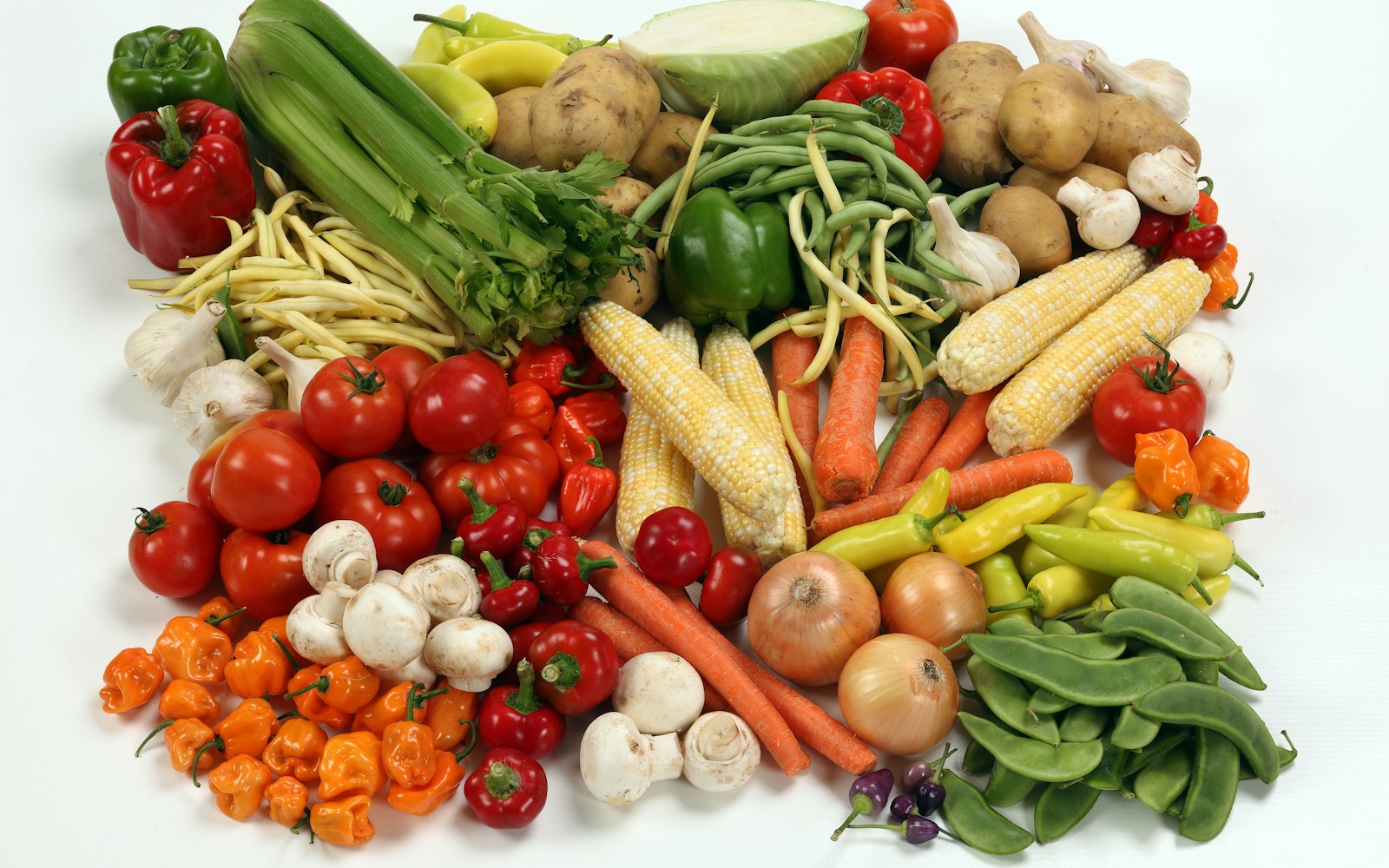
- Use the plate method for fast, flexible everyday decisions.
- Track macros when precision has a clear purpose and end point.
- A hybrid approach can teach portions without permanent logging.
Start with the least demanding tool
For most people trying to build balanced meals, the plate method should come first. It gives direction without a database: make roughly half the plate vegetables or fruit, about a quarter protein, and about a quarter grains or starchy vegetables, then add a suitable fat, sauce, and drink. Mixed dishes can follow the same idea.
Macro tracking—logging grams of protein, carbohydrate, and fat—can answer narrower questions, but it demands time and reliable portions. Precision is valuable only when it changes a decision. If your goal is simply to eat a satisfying lunch with more plants and protein, weighing the olive oil may add labor without improving the meal.
Choose the simplest method that gives you enough information to act.
Make the plate method fit real food
A curry, stew, wrap, or bowl does not arrive in tidy quarters, so think in components. Does the meal contain a recognizable protein? Is there a meaningful vegetable or fruit portion? Is the carbohydrate amount matched to your hunger and activity? Is the sauce adding pleasure without becoming the entire energy source?
For a rice bowl, start with chicken, tofu, fish, or beans; add two handfuls of vegetables; choose a rice portion that fits the day; finish with avocado, tahini, yogurt sauce, or another preferred fat. Endurance training may justify more rice. A quieter day may feel better with more vegetables. The framework bends without breaking.
- Protein: eggs, dairy, fish, meat, tofu, tempeh, beans, or lentils.
- Plants: cooked, raw, frozen, canned, or culturally familiar preparations.
- Carbohydrates: rice, bread, pasta, potato, oats, fruit, or other grains.
- Flavor: oils, nuts, seeds, cheese, herbs, spices, and sauces.
Know when macros earn the extra effort
Tracking can help an athlete match carbohydrate to a heavy training block, a vegetarian check protein coverage, or a person learn why a seemingly small snack is unusually energy dense. It can also support a dietitian-led clinical plan. In each case, define the question before opening the app and decide how long the experiment will run.
Imagine Noor wants 100 grams of protein but keeps reaching only 65. Seven days of logging reveals breakfast and lunch each contain less than 15 grams. The useful response is not permanent surveillance; it is adding yogurt and nuts at breakfast and beans or chicken at lunch, then checking again. Tracking should graduate into a simpler routine.
A successful tracking phase leaves you with a habit—not a lifelong homework assignment.
Use a hybrid when you want confidence without obsession
Build meals with the plate method and calibrate only the uncertain component. You might measure your usual cereal bowl once, look up protein in three favorite lunches, or log two representative weekdays and one weekend. That small sample can correct a blind spot while keeping most eating intuitive and social.
Whichever tool you use, review more than numbers. Hunger, fullness, digestion, training, sleep, mood, budget, and cultural fit all belong in the evaluation. If logging creates anxiety, guilt, compensatory exercise, or fear of untracked meals, stop. A technically precise method that harms your relationship with food is not the better method.
- Everyday balance: plate method.
- One defined nutrition question: short tracking experiment.
- Medical diet: clinician or registered dietitian guidance.
Sources
Macro tracking can aggravate obsessive or restrictive eating. Avoid it during eating-disorder recovery unless your treatment team recommends it, and use professional guidance for diabetes, kidney disease, food allergies, or another therapeutic diet.