Plant Protein: Get Enough Without Chasing Perfect Pairings
Beans, lentils, soy foods, peas, nuts, seeds, and grains can cover protein needs through a varied pattern. Build adequate meals before micromanaging amino-acid combinations.
By Moow Editorial ·
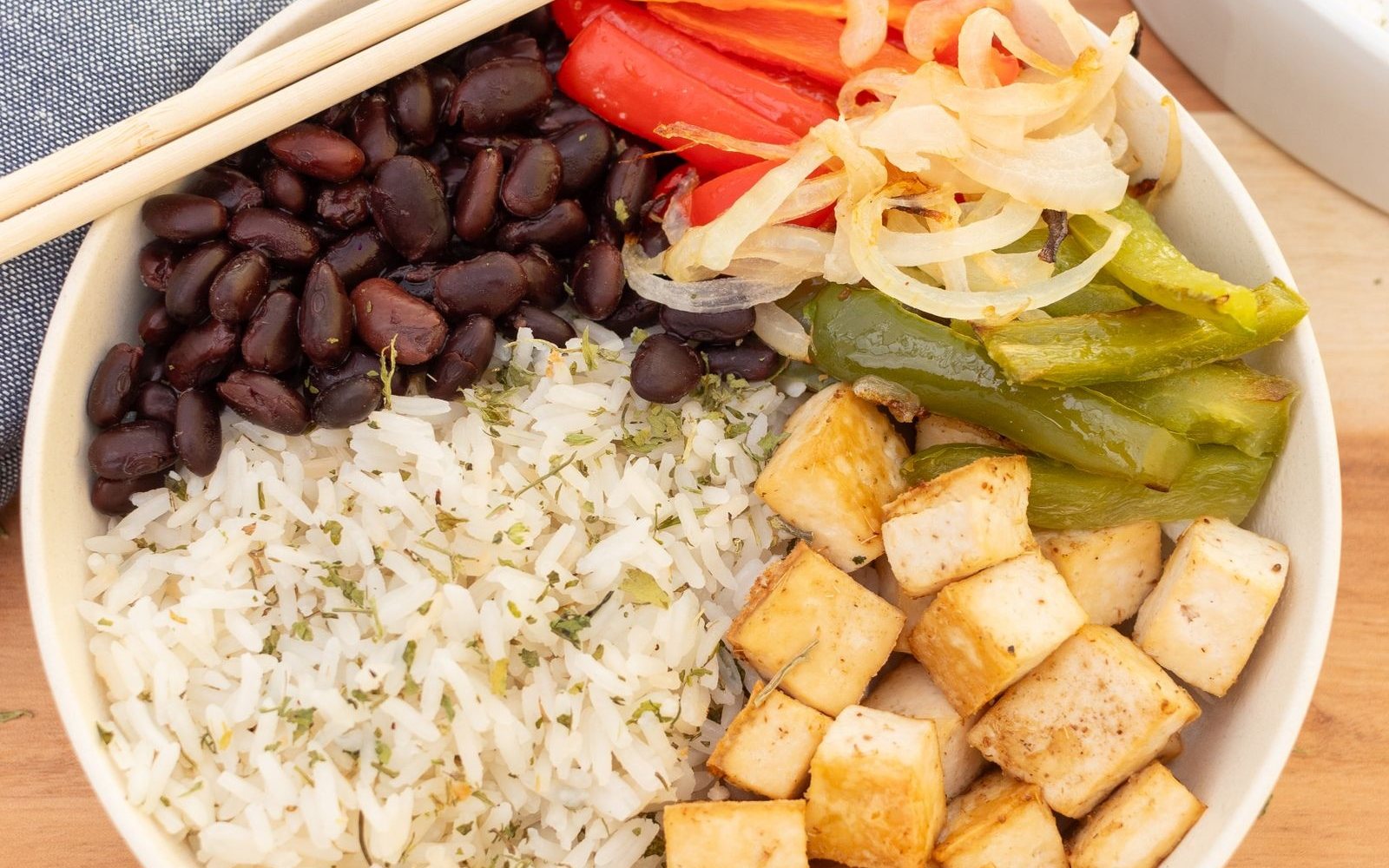
- Use several substantial plant-protein foods across the day rather than relying on vegetables alone.
- Variety across meals supplies different essential amino acids without perfect pairing arithmetic.
- Athletes and people eating less energy may need deliberate portions and individualized review.
Start with foods that contribute meaningfully
Plant-based does not automatically mean protein-rich. Beans, peas, lentils, tofu, tempeh, textured soy protein, seitan, nuts, seeds, and some higher-protein grains can make substantial contributions. Vegetables add valuable nutrients but usually are not the main protein anchor. Name the anchor in each main meal instead of assuming the total will appear from small amounts everywhere.
A practical meal might use lentils with rice and vegetables, tofu in a noodle stir-fry, bean chili with bread, or soy yogurt with oats, seeds, and fruit. These combinations work because they provide enough food and variety, not because every plate must solve a precise amino-acid equation. Protein adequacy is built across the day and through a varied, recurring pattern of meals.
Choose variety over perfect pairing
Proteins are made from amino acids, including essential amino acids that food must supply. Different plant foods contain different profiles and amounts. NIH sports-nutrition guidance notes that eating different types of plant foods is one way to obtain all essential amino acids. That supports variety; it does not require calculating a matching grain and legume at the same bite.
Soy foods provide a particularly useful, versatile option, while legumes, grains, nuts, and seeds broaden nutrients and meals. If the overall diet is very limited—because of allergies, low appetite, food insecurity, gastrointestinal symptoms, or rigid rules—the solution is not simply better pairing. It is widening safe intake with a registered dietitian or other appropriate support.
Adequate energy, substantial protein portions, and variety matter more than a perfect amino-acid puzzle at every meal.
Build enough into each meal
Start with a familiar portion, then check whether the meal remains satisfying and supports training. A spoonful of hummus is flavor, but it may not anchor a whole recovery meal. Increase beans, tofu, tempeh, seitan, or another main source; add a grain or bread; and include fats and produce. Protein should not crowd out total energy or carbohydrate needed for activity.
Spacing meaningful sources across breakfast, lunch, dinner, and an optional snack can be easier than trying to recover a day's total at night. Fortified soy milk, tofu scramble, leftovers, roasted chickpeas, or a simple shake may reduce friction. Powders are optional convenience foods, not a requirement for plant-based training. Compare serving size, protein, ingredients, and cost.
- Name a substantial protein anchor.
- Add enough carbohydrate and fat for energy and satisfaction.
- Rotate legumes, soy foods, grains, nuts, and seeds across the week.
- Use fortified foods where calcium, vitamin D, or B12 coverage matters.
Review nutrients beyond protein
Well-planned vegetarian and vegan patterns can support training, but protein is not the only review point. Vitamin B12 needs a reliable source in vegan diets. Iron, calcium, vitamin D, iodine, zinc, and omega-3 sources may also deserve attention depending on food choices and life stage. More supplement pills are not automatically better; identify a need first.
Persistent fatigue, declining performance, frequent injury, menstrual changes, unintentional weight loss, or difficulty eating enough are reasons to seek qualified assessment rather than merely adding protein. Kidney disease and some other conditions change protein planning. General ranges for athletes should never be copied into a therapeutic diet without a clinician who knows the diagnosis and full intake.
Sources
Vegan diets require a reliable vitamin B12 source. Pregnancy, adolescence, kidney disease, food allergy, gastrointestinal disease, eating-disorder recovery, and unexplained fatigue or weight change warrant individualized assessment from a qualified clinician or dietitian.