Make Meal Planning a Ten-Minute Decision
A useful meal plan does not need a spreadsheet of perfect recipes. Choose a few anchors, assign flexible meals, and write the smallest shopping list.
By Moow Editorial ·
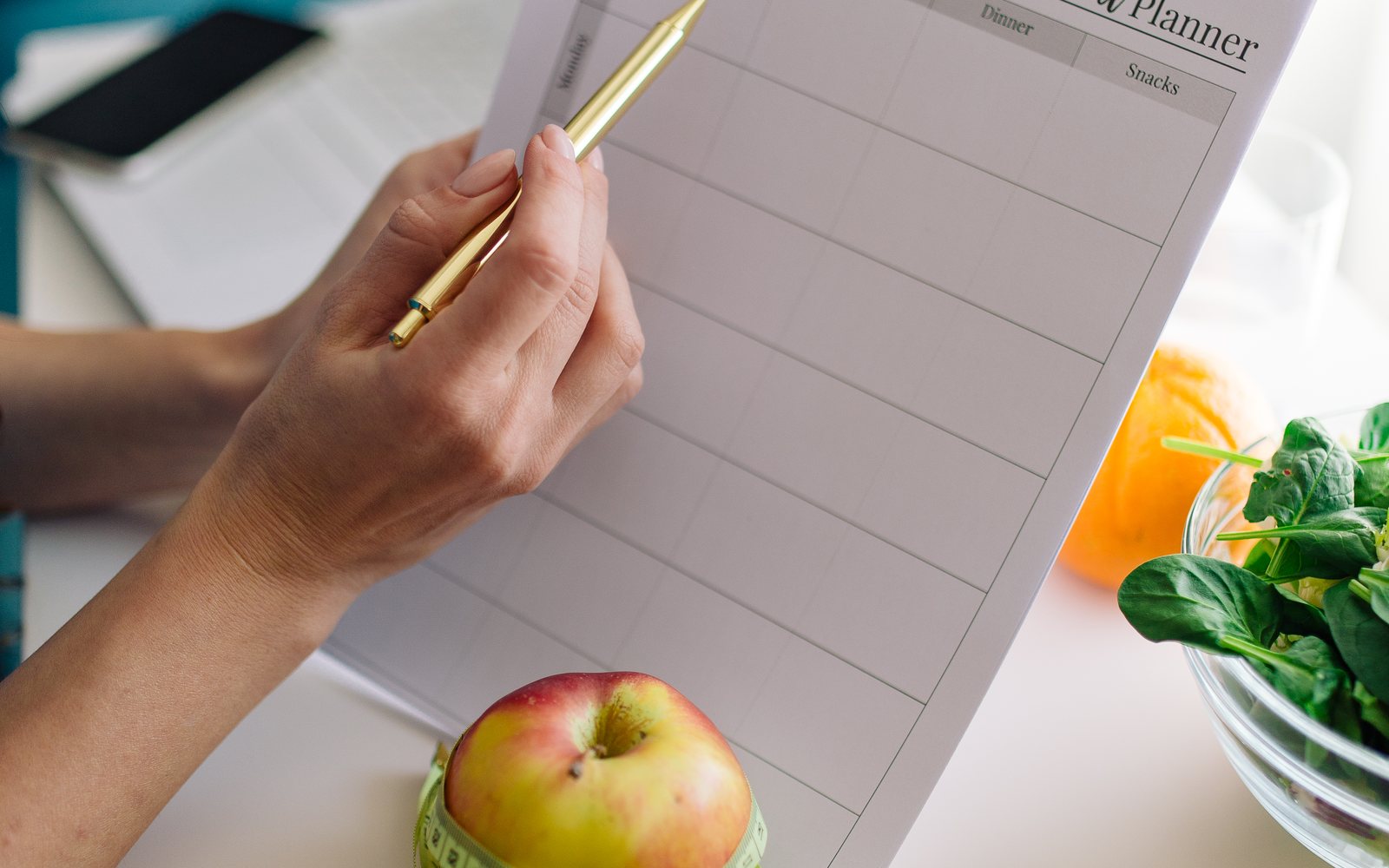

- Plan the busiest meals first and leave flexible spaces for change.
- Choose repeatable meal formulas before searching for new recipes.
- Build the shopping list from what is missing, not from the entire plan.
Minutes zero to two: scan the real week
Open the calendar before opening recipes. Mark late workdays, training evenings, travel, shared meals, and any food that already needs using. Count how many breakfasts, lunches, and dinners genuinely need a decision. A plan for seven perfect home-cooked dinners fails when the week only contains four realistic cooking windows.
Circle the two meals most likely to become stressful or expensive without preparation. Plan those first. Leave at least one flexible slot for leftovers, a simple pantry meal, or changed plans. Flexibility is part of the design; an unused recipe is not evidence that the week went wrong.
Minutes two to five: choose meal formulas
Use familiar formulas rather than requiring a new recipe for every box. Examples include grain or potato plus protein and vegetables; tacos with beans or another protein and toppings; eggs or tofu with toast and fruit; soup with bread and a side; or yogurt with oats, nuts, and fruit.
Select two breakfasts, two lunches, and three dinners that share ingredients. Let preference, culture, budget, allergies, and household needs shape them. A balanced pattern can use fresh, frozen, canned, and dried foods. Convenience is not a nutritional failure when it helps the meal actually happen.
Minutes five to eight: assign and repurpose
Place the most perishable meal earlier and the easiest meal on the most crowded day. Decide which dinner intentionally makes lunch, and which ingredient changes form: roasted vegetables become a wrap filling, rice becomes a bowl base, or cooked beans move into soup. Planned reuse reduces decisions without demanding identical leftovers.
Add a backup meal made from shelf-stable or frozen items. Pasta and beans, frozen vegetables with eggs, canned fish with crackers and fruit, or another culturally familiar combination can work. The backup is not lower status; it is the part of the plan designed for the day that refuses to cooperate.
Minutes eight to ten: shop the gaps
Check the refrigerator, freezer, and pantry, then list only missing ingredients by store area. Include amounts when waste is likely. Choose substitutions in advance for expensive or unavailable items. If the list is still long, remove a recipe or increase ingredient overlap rather than hoping shopping will become easier.
Post the plan where decisions occur and review it once midweek. Move meals, freeze perishables, or use the backup without apology. Food safety still matters: cool and store leftovers promptly and discard food when safe storage is uncertain. Ten minutes should create direction, not a contract that outranks reality.
Sources
Adapt meal planning for allergies, medically prescribed diets, pregnancy, food insecurity, and eating-disorder recovery with qualified support. Follow food-safety guidance for storage and reheating; when food has been held at unsafe temperatures or its safety is uncertain, do not taste-test it.