Is Breakfast Necessary? Let Appetite and Schedule Decide
Breakfast is useful for some people and optional for others. Judge it by energy, appetite, training, and the rest of the day—not a slogan.
By Moow Editorial ·
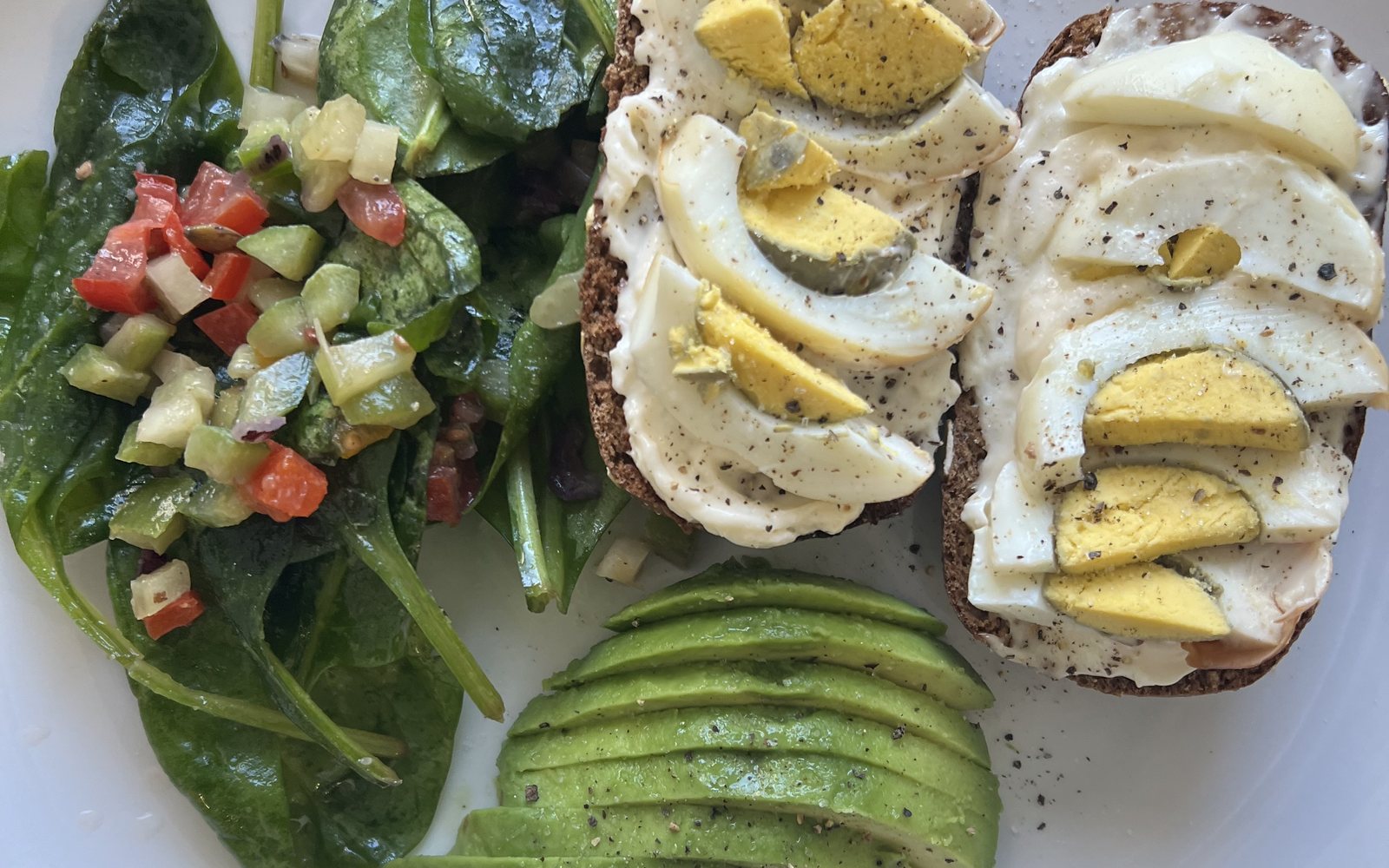

- Breakfast is a tool, not a universal requirement or a guarantee of health.
- Use it when it supports morning energy, training, appetite, or nutrient intake.
- Run a consistent test before deciding whether the meal helps your day.
Drop the universal rule
Breakfast simply describes the first meal after an overnight fast; it does not become metabolically magical because it happens at 7 a.m. Some people wake hungry and function better after eating. Others prefer a later first meal and still meet energy and nutrient needs. Observational claims about breakfast can also reflect differences in sleep, work, food access, and other habits rather than the meal alone.
Ask what problem you want breakfast to solve. It might support an early workout, prevent distracting hunger at work, distribute protein more comfortably, or create a moment to eat fruit and whole grains. If skipping it feels natural and the rest of the day remains steady, adding a meal merely because of a slogan may not improve anything.
The first meal should serve the day; the clock does not award health points.
Match breakfast to the morning
Before an early easy session, you may prefer no food or a small familiar option. Before longer or harder training, some carbohydrate and fluid may improve comfort and output. A full mixed meal needs more digestion time than toast, fruit, or yogurt. Test timing during ordinary sessions rather than discovering your tolerance during an event or demanding class.
For a work morning, notice the gap until lunch. If skipping breakfast leads to urgent hunger, poor concentration, or unplanned grazing, trial a modest meal for one week. If a large breakfast makes you sluggish, make it smaller or move part of it later. The useful pattern can differ between training days, rest days, early shifts, and weekends.
- Early training: use the smallest familiar meal or snack that supports the session.
- Long morning gap: include enough protein, fiber, and energy to last.
- Low morning appetite: start smaller or move the first meal later.
Build it with three practical parts
Choose a protein anchor, a fiber-rich carbohydrate or fruit, and something that brings flavor and satisfaction. Examples include yogurt with oats, berries, and nuts; eggs with toast and fruit; or tofu, leftover rice, and vegetables. Breakfast foods are a cultural convention, not a nutrient class. Leftovers can solve the meal better than a specialized cereal.
Convenience matters. Prepare overnight oats, keep frozen fruit available, portion a yogurt-and-granola combination, or make a sandwich the night before. If the routine requires cooking four separate items on a rushed weekday, it may disappear. A repeatable two-minute meal is more valuable than an ideal plate that exists only on Sunday.
A practical breakfast can be simple, savory, portable, or made from leftovers.
Run an honest one-week test
Keep the breakfast and wake time reasonably consistent for several days. Track only signals that matter: morning hunger, concentration, training quality, digestive comfort, and how you approach lunch. Do not judge the experiment by one scale reading. Then keep, change, or drop the meal based on the pattern rather than on an influencer's certainty.
Deliberately skipping meals can be unsafe when medication requires food, during pregnancy for some people, in eating-disorder recovery, or when it contributes to dizziness, binge eating, or inadequate intake. Children and adolescents have different needs. Seek individualized guidance when symptoms or medical care shape meal timing; breakfast advice cannot replace that context.
Sources
Do not use breakfast skipping to override medication instructions, pregnancy nutrition guidance, eating-disorder recovery plans, or recurrent dizziness and faintness. Children, adolescents, people with diabetes medication, and anyone with inadequate intake need individualized advice rather than a generic fasting rule.