Foam Rolling: What It Can Change—and What It Cannot
Foam rolling may briefly improve range of motion and make soreness feel easier to manage. Keep those useful effects separate from claims that it repairs tissue or fixes alignment.
By Moow Editorial ·
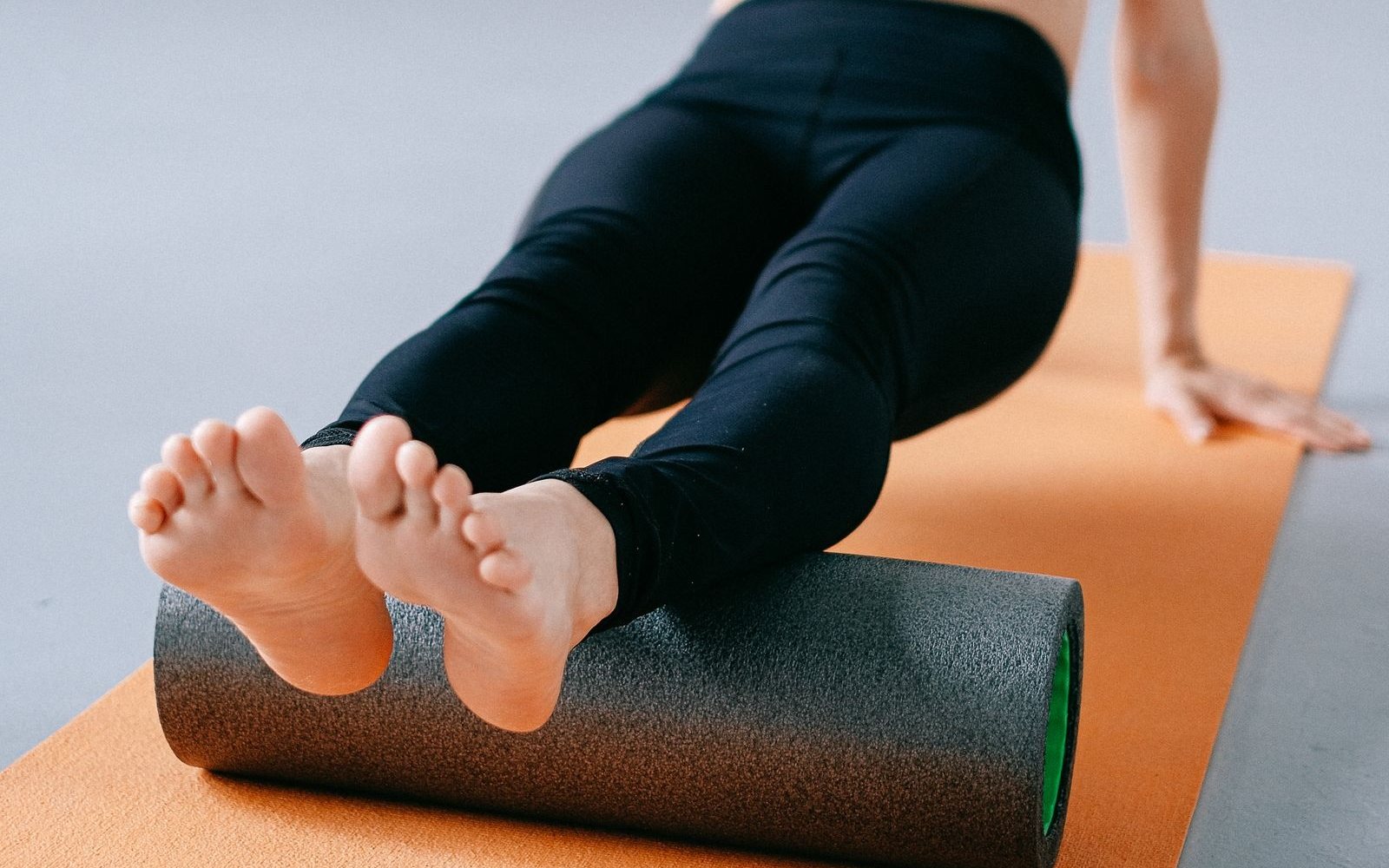
- Expect a temporary mobility or comfort effect, not permanent tissue remodeling.
- Use tolerable pressure and follow rolling with the movement you want to improve.
- Treat persistent, sharp, or unexplained pain as a reason for assessment—not harder rolling.
The likely effects are useful but modest
Research reviews suggest that foam rolling can increase range of motion in the short term without meaningfully reducing strength or power. Some people also report less post-exercise soreness. The average changes are not dramatic, results differ among studies, and a better range-of-motion score does not automatically mean an injury has healed or performance will improve.
Think of the roller as one way to change sensation and make movement feel more available for a while. It does not literally break up scar tissue, lengthen a muscle permanently, flush toxins, or force fascia into a new position. Those explanations turn a simple self-massage tool into a treatment claim that the evidence does not support.
More pressure is not more effective
Choose a position that lets you control how much body weight reaches the roller. Move slowly over a broad muscle area for roughly 30 to 90 seconds, then reassess. The sensation can be firm, but you should still breathe normally and keep the surrounding muscles relatively relaxed. Guarding, numbness, or sharp pain means the dose is too high.
A softer roller or partial body-weight support is often enough. Avoid chasing the most tender point until it becomes bruised. Repeatedly compressing an irritated area may make it more sensitive and can hide the useful question: does rolling help the next movement feel better? If the answer is no, stop adding minutes and choose another strategy.
Use the smallest dose that creates a useful change, then move on.
Pair the tool with the task
Before training, roll only the area that feels limiting, then rehearse the relevant pattern. After rolling the calves, for example, try a few controlled ankle rocks or easy squats. The active movement helps you use the temporary range. A complete warm-up still needs progressive, task-specific practice rather than a long passive rolling circuit.
After training, foam rolling is optional. If a brief session makes soreness more manageable or helps you relax, it can belong in recovery. It does not replace sleep, adequate food, sensible training volume, or time. On a busy day, a walk and an earlier bedtime may offer more value than twenty minutes spent searching for every tight spot.
Know where self-treatment ends
Keep pressure on broad, healthy muscle rather than directly on bones, joints, the front or side of the neck, the abdomen, or a newly injured area. Be especially cautious if you bruise easily, take blood-thinning medicine, have reduced sensation, vascular disease, osteoporosis, a bleeding disorder, or a history of blood clots. A clinician can advise whether rolling is appropriate.
Pain that is severe, worsening, accompanied by swelling or weakness, or linked to an accident deserves assessment. Do not use temporary numbness or reduced pain as permission to train through an injury. Foam rolling earns a place when it helps you move comfortably; it should not become a test of toughness or a substitute for diagnosis.
Sources
Do not foam-roll an acute injury, suspected fracture or clot, open wound, infected area, or tissue with reduced sensation. Stop for sharp pain, tingling, numbness, unusual swelling, or bruising, and seek qualified care for persistent or unexplained symptoms.