Your First Pull-Up: Train the Pieces, Not Just the Attempt
Repeatedly testing a pull-up is not the only way to build one. Train grip, controlled hanging, rows, and assisted repetitions that you can progress.
By Moow Editorial ·
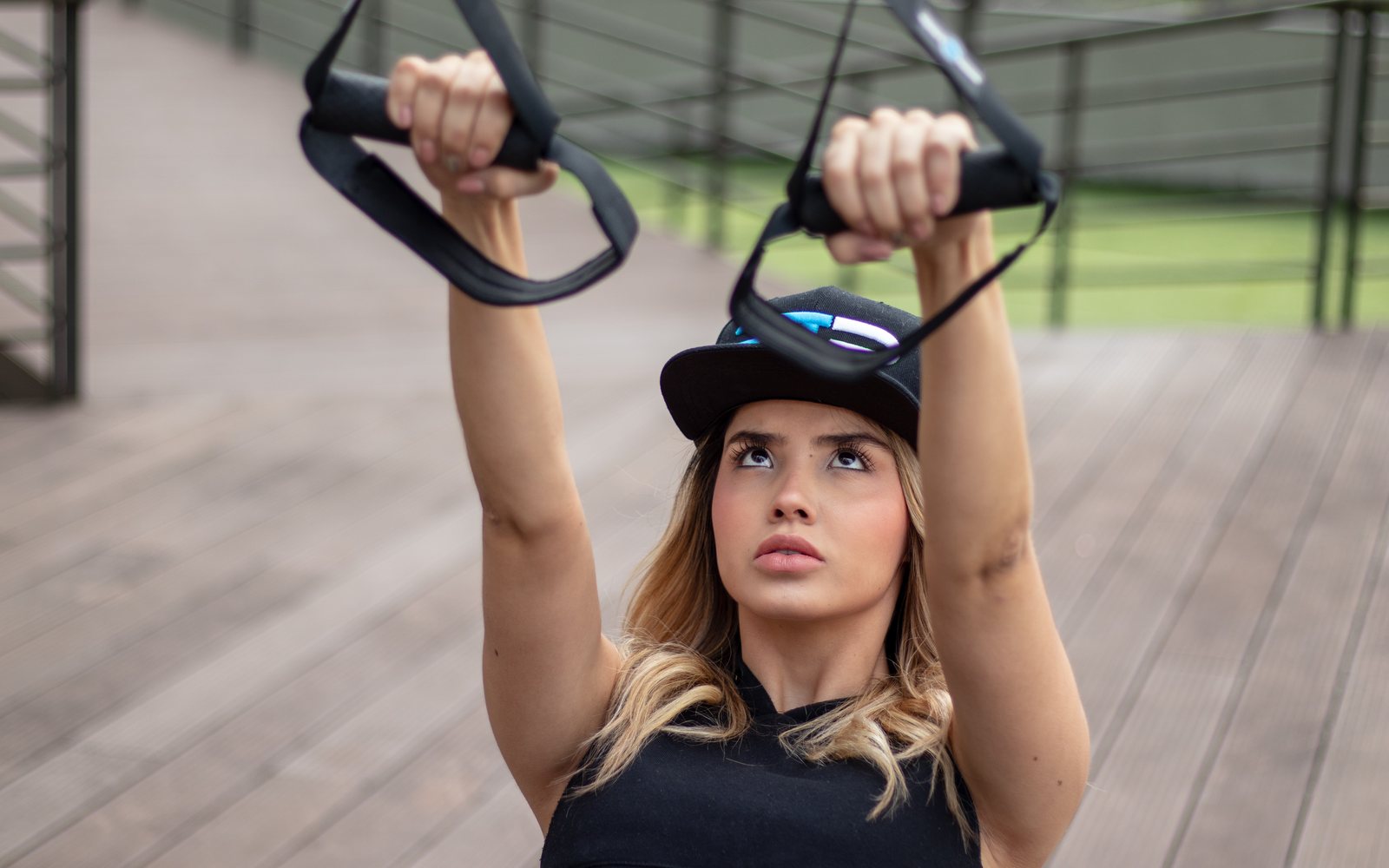

- Build the pull-up with trainable pieces instead of daily maximum attempts.
- Use rows and assistance that allow a complete, controlled range.
- Progress one variable while keeping the shoulders and grip comfortable.
A pull-up is several skills at once
A pull-up asks the hands to hold body weight while the arms, upper back, trunk, and shoulder blades coordinate a vertical pull. Body size, limb length, grip, training history, and bar height all change the task. Failing one unassisted attempt does not identify a single weak muscle, and testing the same maximum effort every day provides little high-quality practice.
Define the version you want to train. A palms-away pull-up and a palms-toward chin-up share much of the task but can feel different at the elbows and shoulders. Choose the grip that is comfortable and available, then use it consistently for a training block. The goal is not to make every grip equally strong before earning a first repetition.
A pull-up attempt measures the whole skill; assistance lets you train it.
Build grip, position, and pulling volume
Begin with supported hangs if a full body-weight hang is not comfortable. Keep one or both feet on a box and gradually accept more weight through the hands for ten to thirty seconds. The shoulders may rise naturally; avoid forcing them into an exaggerated down-and-back position. Practice a gentle shoulder-blade pull only if it is pain-free and controlled.
Add horizontal rows because they allow more repetitions with an adjustable load. Use a cable, machine, band, or secure suspension trainer and pull without jerking the trunk. Two or three sets of six to twelve rows can build useful volume. Rows do not perfectly copy a pull-up, but they strengthen much of the pulling system without requiring every set to support full body weight.
- Use a box so every hang begins and ends under control.
- Train rows through a repeatable range without twisting.
- Leave several technically clean repetitions in reserve.
Choose assistance you can measure
An assisted-pull-up machine makes progression easy to record: more assistance is easier, less assistance is harder. A band can work too, but assistance changes across the range and band colors are not standardized. Inspect the band, attach it securely, and keep the face out of its recoil path. A foot-supported pull-up from a box is another excellent option because you decide how much the legs help.
Use assistance that permits three to eight smooth repetitions, including a controlled lowering phase. When all sets reach the top of the range, reduce assistance by one small step or add one repetition—not both. Slow negatives can supplement the plan, but repeated uncontrolled drops create more fatigue than skill. Finish while you can still lower yourself deliberately.
The best assistance reveals the movement and gives you a number you can progress.
Practice twice a week; test occasionally
A simple week might include assisted pull-ups first, rows second, and short supported hangs last on two nonconsecutive days. Repeat it for several weeks. Test one unassisted repetition only when warm, fresh, and able to start and finish safely. Frequent testing can crowd out the easier repetitions that actually provide enough practice to improve.
Use a bar designed for exercise and confirm that it is mounted securely. Stop if the grip unexpectedly opens, the shoulder feels unstable, or pain becomes sharp or radiating. Elbow and shoulder symptoms that persist deserve assessment. An unassisted pull-up is an optional performance goal, not a requirement for health; assisted pulling remains valuable even if you never choose to test one.
Sources
Use only a bar and assistance setup rated and secured for exercise. Keep a stable step beneath high bars, inspect bands before use, and keep the face outside their recoil path. Stop for sharp pain, numbness, instability, or an uncontrolled grip release.