Your First Gym Session: A 45-Minute Plan Without Wandering
A useful first gym visit is a calm orientation, not a test of toughness: learn the room, practice a few patterns, and leave with energy to return.
By Moow Editorial ·
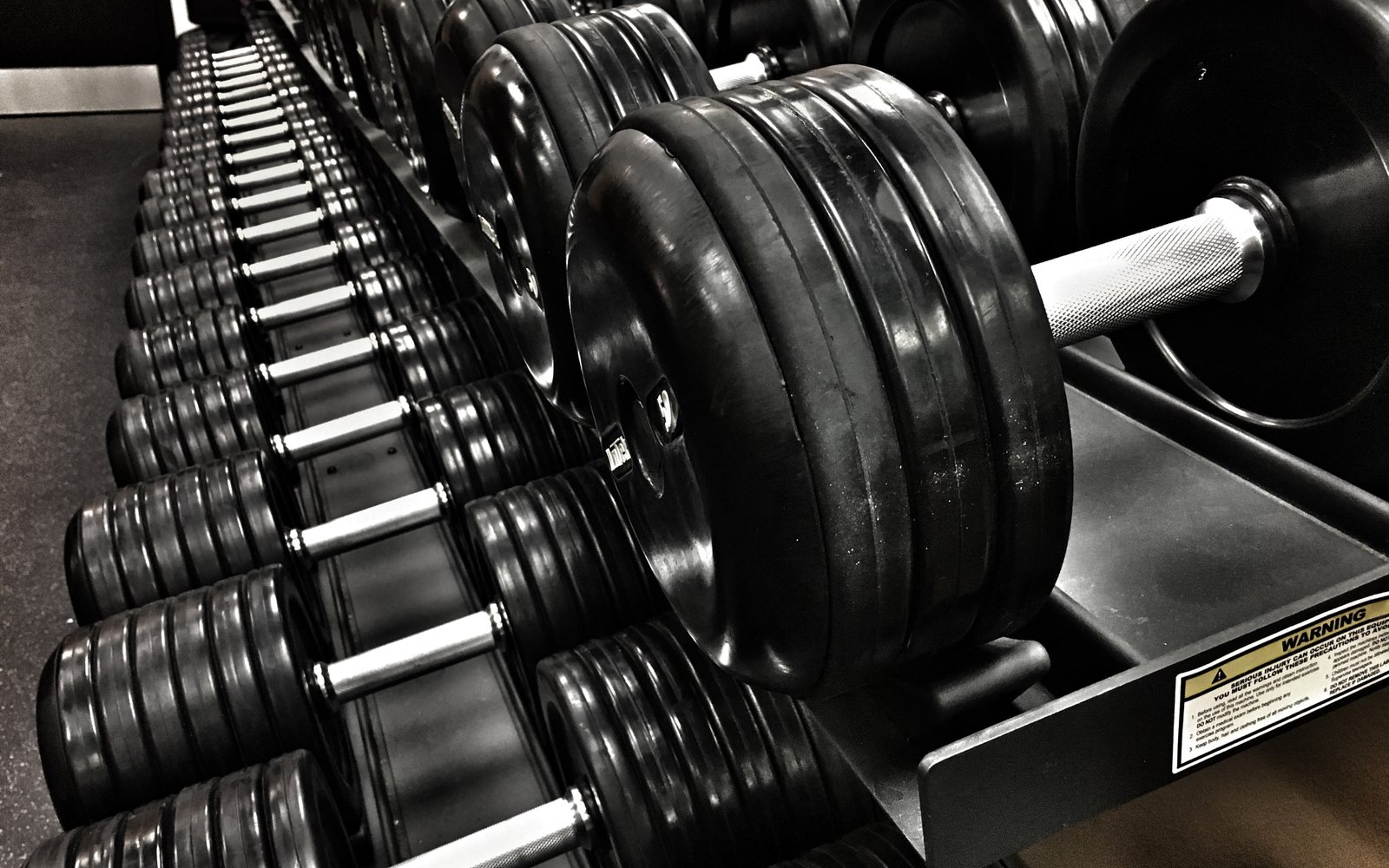

- Treat the first visit as an orientation and practice session.
- Use a short full-body plan with loads you can control cleanly.
- Record only enough information to make the second visit easier.
Give the first visit one job
Your first gym session does not need to prove how fit you are. Its job is to make the second session less unfamiliar. Find the changing area, water station, open training space, and two or three pieces of equipment you expect to use. Ask staff how to adjust a machine if the mechanism is unclear; that is normal gym use, not an admission that you do not belong.
Keep the session to about 45 minutes and stop while attention is still good. A long tour of every machine creates fatigue without teaching much. Choose a quiet lane through the room, notice where equipment is returned, and accept that a little awkwardness is part of learning any new environment. Familiarity comes from repeated visits, not from mastering the building on day one.
Success today means you know how to begin the next visit.
Use a simple 45-minute timeline
Spend the first eight minutes walking or cycling easily, then rehearse the movements you will train without meaningful load. Use roughly 25 minutes for four patterns: a squat or leg press, a push, a row, and a hip-dominant movement such as a glute bridge. Two sets of each is enough for an orientation. Finish with five easy minutes and a brief note about what felt clear or confusing. The remaining minutes allow for setup, transitions, and unhurried rest.
Rest long enough that breathing and concentration settle before the next set. The room may invite you to hurry, but this is skill practice. If an exercise station is busy, skip it or use a simple alternative instead of improvising a complicated substitute. A complete first session is not a checklist of body parts; it is a small collection of movements you can repeat with more confidence.
- Eight minutes: easy movement and equipment setup.
- Twenty-five minutes: four patterns for two controlled sets each.
- Five minutes: easy finish and a two-line training note.
Choose practice loads, not performance loads
Start with the lightest practical setting and complete several smooth repetitions. Add a small amount only if you could clearly do several more while keeping the same range and tempo. The final repetitions should require attention without forcing you to hold your breath, twist, bounce, or shorten the movement. When you cannot judge the load yet, lighter is the more informative choice.
Write down the machine or exercise, the setting or load, and one technique cue that helped. You do not need calories, a body-part score, or a complicated spreadsheet. That short record prevents another round of guessing next time. Repeat the same basic session once or twice before adding exercises; early progress often comes from better coordination rather than from collecting more work.
The first useful load is one that lets you learn the movement.
Leave room to return
Expect some uncertainty and possibly mild soreness, but do not chase either. Return weights, wipe shared surfaces according to the gym's rules, and avoid standing directly in front of a rack while resting. Headphones are optional; situational awareness matters around moving people and loaded equipment. If you need a spot or safety-arm setup, ask before the working set rather than during it.
Plan the next visit before leaving: choose a day, an approximate time, and the same starting exercise. Consistency matters more than squeezing every possible exercise into one afternoon. If a movement causes sharp pain, numbness, dizziness, chest discomfort, or unusual breathlessness, stop. A qualified trainer can help with setup; symptoms and medical restrictions belong with an appropriate clinician.
Sources
Get individualized clearance or instruction when a health condition, recent operation, pregnancy, significant balance limitation, or current injury changes what is safe. Stop exercise for chest discomfort, faintness, severe unusual breathlessness, or sharp and worsening pain, and seek appropriate care.