Eating Out Without Turning One Meal Into a Moral Test
A restaurant meal is food, culture, convenience, and company—not a verdict on discipline. Make the choices that matter today, enjoy the meal, then resume your normal pattern.
By Moow Editorial ·
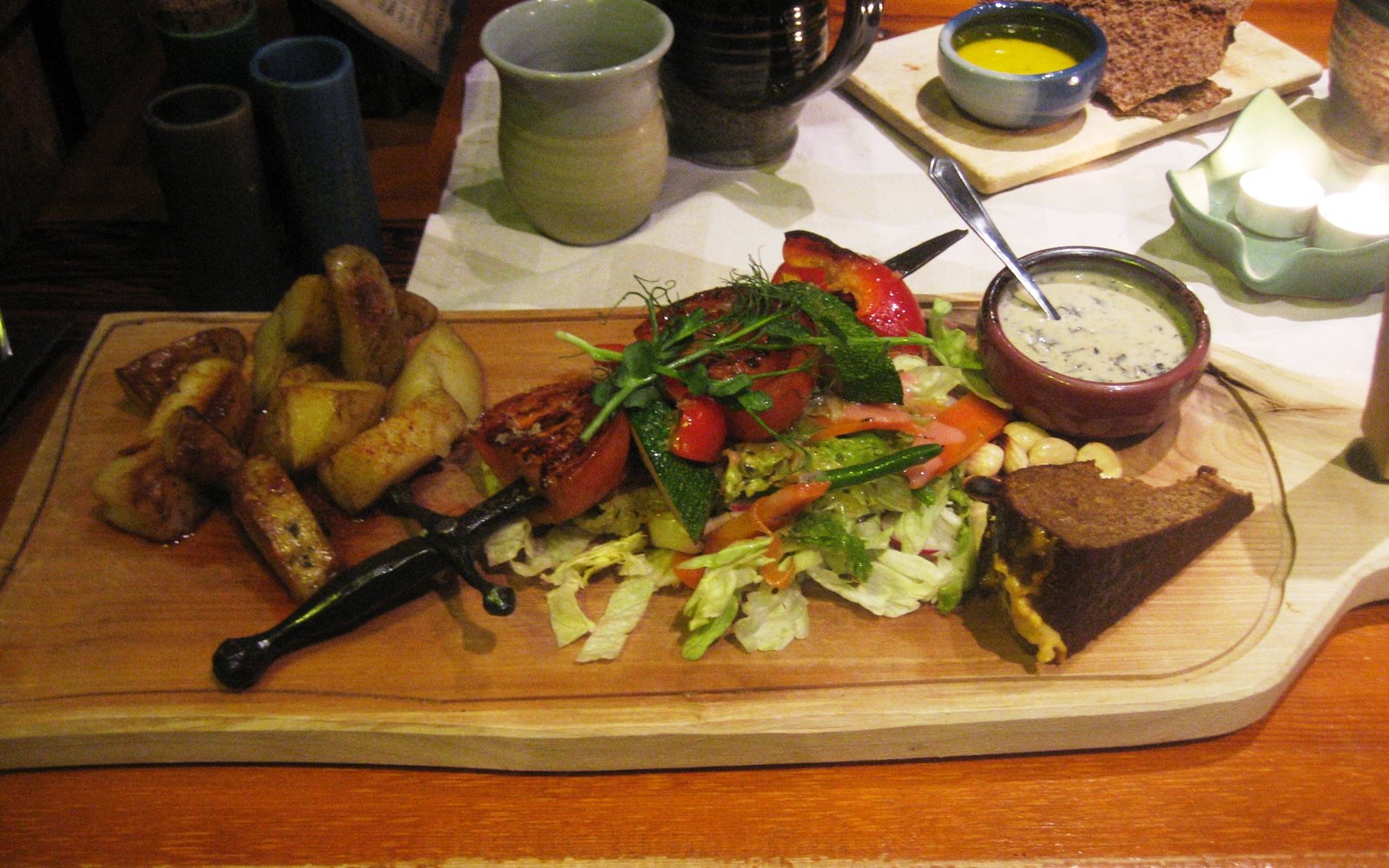

- Decide what matters for this meal instead of trying to optimize every nutrient.
- Use menu information as context, not a scorecard for good and bad choices.
- Return to ordinary eating afterward without restriction, compensation, or guilt.
One meal belongs inside a pattern
Health guidance describes patterns built across days and weeks. One restaurant meal rarely determines that pattern, just as one salad cannot repair months of habits by itself. Eating out may serve celebration, convenience, connection, travel, or simple enjoyment. Those functions are part of real life and do not need to be disguised as a test of nutritional virtue.
Before looking at the menu, identify the meal's main job. Are you especially hungry after training? Do you need a familiar option before an event? Are you there to enjoy a favorite dish with friends? One clear priority narrows the decision. Trying to make the meal lowest in calories, highest in protein, richest in vegetables, and perfectly portioned at once creates unnecessary conflict.
A flexible eating pattern can include meals chosen for pleasure as well as nutrition.
Let appetite participate
Arriving extremely hungry after deliberately skipping earlier meals can make any restaurant choice feel urgent. Eat normally beforehand unless a medical procedure requires fasting. During the meal, notice satisfaction and comfort without demanding perfect internal signals. Conversation, unfamiliar portions, and delicious food can all change pace; that variation is normal rather than evidence that mindful eating failed.
You may finish the plate, leave food, order dessert, or decide you are satisfied. None of those actions has a fixed moral meaning. If portions are large and leftovers are practical, save them. If the meal is a special item you want to enjoy fully, that is context too. The useful decision is the one you can make without turning the table into a negotiation with guilt.
Make the next meal normal
After a rich, salty, or later-than-usual meal, temporary fullness, thirst, or a higher scale reading can occur. Those signals do not measure fat gain from one dinner and do not call for punishment. Resume your usual meals, hydration, movement, and sleep. Restricting the next day often extends the preoccupation rather than restoring a stable routine.
Review only if eating out happens often enough that a repeated problem matters. Perhaps lunches leave you sleepy, a hidden allergen is difficult to verify, or the cost is unsustainable. Solve that concrete issue with a different order, venue, or schedule. Do not turn every memorable meal into an audit. A sustainable nutrition pattern has room for ordinary unpredictability.
Sources
For food allergies, celiac disease, diabetes medication, kidney disease, or another condition where ingredients or nutrient amounts affect immediate safety, ask the restaurant directly and follow your clinical plan. Seek eating-disorder support if dining choices trigger restriction, purging, or compulsive compensation.