Dietary Fat: Enough for Health, Flexible Enough for Real Meals
Dietary fat supports health, carries flavor, and helps meals satisfy. Focus on the overall source pattern and portion context instead of trying to eliminate it.
By Moow Editorial ·
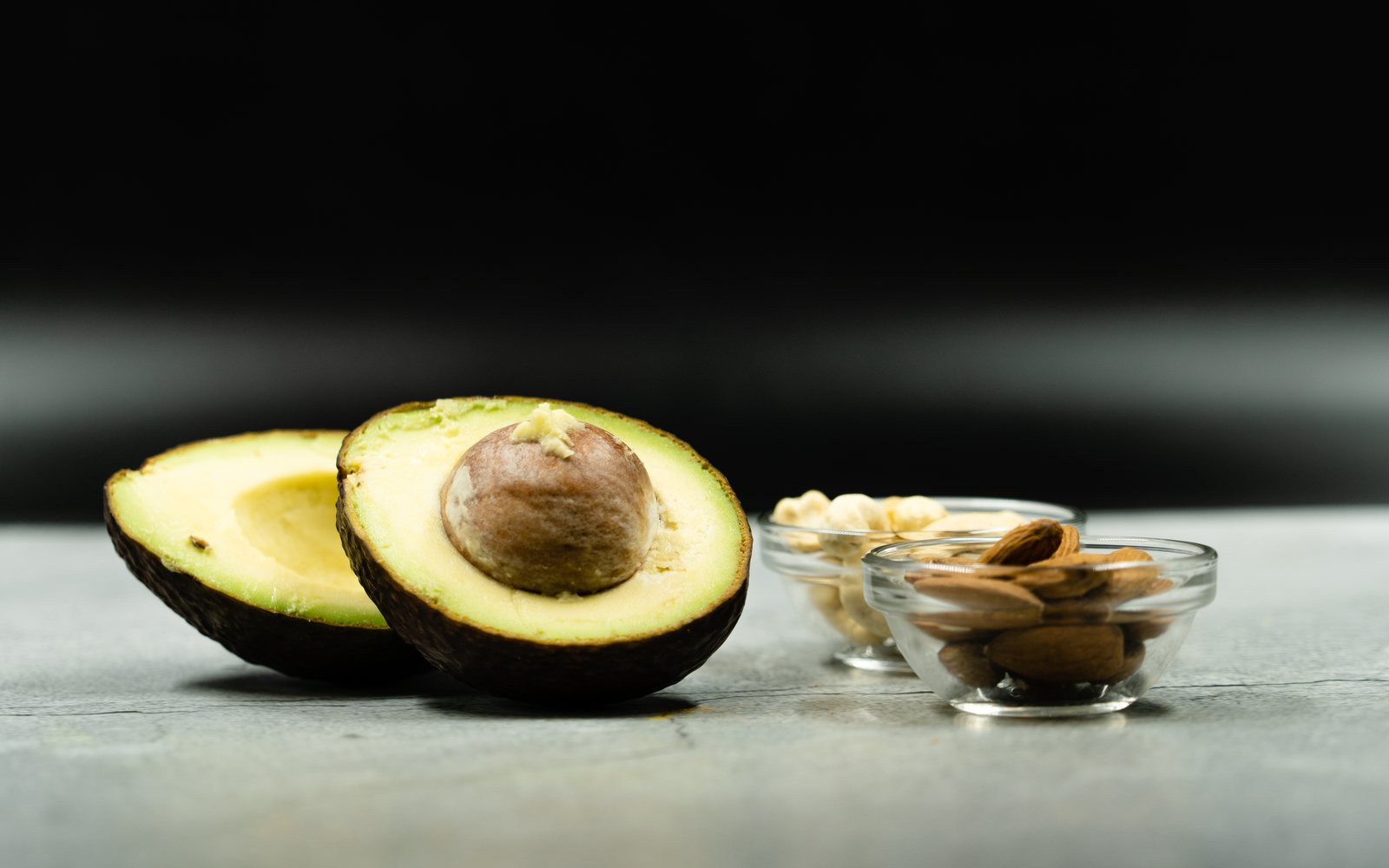

- Include dietary fat rather than treating a fat-free meal as automatically healthier.
- Favor a pattern rich in unsaturated sources while leaving room for mixed foods.
- Adjust portions for energy needs and pre-workout digestion instead of banning foods.
Dietary fat has several jobs
Fat supplies essential fatty acids, supports cell structures and hormone production, and helps the body absorb fat-soluble vitamins. It also carries flavor and can make a meal more satisfying. Those roles do not mean unlimited portions are ideal, but they do make elimination a poor default. A meal does not become virtuous simply because a label says low fat.
Fat contains more energy per gram than protein or carbohydrate, so small-looking portions can contribute meaningful energy. That is useful when appetite is low or needs are high, and it can matter when someone is adjusting total intake. Treat energy density as information. It does not turn nuts, oil, cheese, avocado, or dessert into forbidden foods.
Enough is the goal; zero and unlimited are both unhelpful defaults.
Look at the source pattern
Build much of the routine around unsaturated-fat sources such as olive oil, nuts, seeds, avocado, and fish, while remembering that foods contain mixtures of fatty acids. Dairy, meat, baked foods, and restaurant meals can still fit. The practical question is what appears most often across the week, not whether one meal contains saturated fat.
Replace rather than merely remove. Use olive oil instead of butter in some cooking, add nuts or seeds to a meal, or choose fish for one of the week's protein options. If a reduction leaves the meal dry and unsatisfying, it may not last. Flavor from herbs, acidity, spices, yogurt, tahini, or a measured sauce can support a change without pretending pleasure is optional.
- Use plant oils, nuts, seeds, avocado, and fish regularly.
- Review the week's pattern rather than prosecuting one meal.
- Make substitutions that preserve flavor and satisfaction.
Fit the portion to appetite and timing
Because fat slows stomach emptying for many people, a large high-fat meal immediately before intense exercise may feel heavy. That does not make fat bad for athletes. Move a larger portion farther from the session, or choose a smaller amount in the pre-workout meal and include more later. Personal tolerance matters more than copying another person's clock.
For everyday portions, measure once if the amount has become invisible—especially free-poured oil, nut butter, dressings, or handfuls eaten while cooking. The purpose is calibration, not permanent surveillance. After seeing what a spoonful or small handful looks like, return to cooking and eating normally and use hunger, energy, and longer-term trends as context.
Adjusting a portion is different from putting the food on trial.
Keep medical claims and supplements bounded
No single oil, seed, or fatty acid supplement can compensate for an otherwise poor pattern. Products described as fat burners do not perform the basic nutritional jobs of dietary fat and may include stimulants or unproven blends. Read the Nutrition Facts or Supplement Facts panel and be skeptical of disease-treatment promises attached to ordinary foods.
People with cardiovascular disease, gallbladder or pancreatic conditions, fat-malabsorption disorders, prescribed therapeutic diets, or unexplained digestive symptoms need individualized guidance. Medication and laboratory decisions belong with clinicians. For most readers, a varied pattern with mostly unsaturated sources, sensible portions, and room for enjoyable mixed foods is a sound place to begin.
Sources
Seek individualized nutrition and medical guidance for a prescribed lipid-lowering diet, cardiovascular disease, gallbladder or pancreatic disease, fat malabsorption, pregnancy, or persistent digestive symptoms. Do not stop medication or use supplements to treat abnormal laboratory results without a clinician.