Creatine Monohydrate: The Evidence Without the Hype
Creatine monohydrate can modestly improve repeated high-intensity performance and strength-training results; three to five grams daily works without a mandatory loading phase.
By Moow Editorial ·
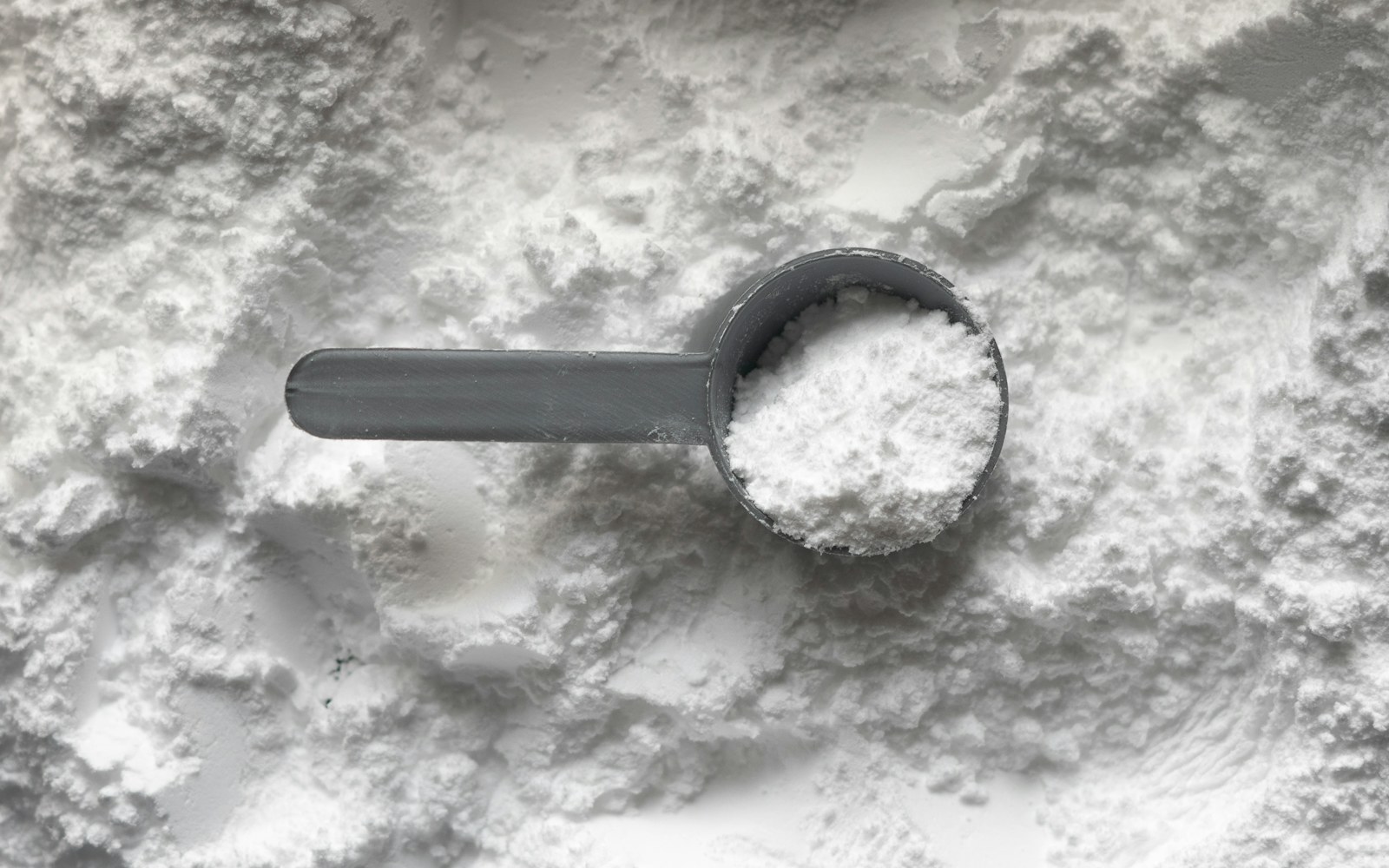
- Choose plain creatine monohydrate, the form with the strongest evidence.
- Take three to five grams consistently; loading is optional.
- Expect a possible water-weight increase and keep claims realistic.
What creatine can—and cannot—do
Creatine monohydrate helps muscles rapidly regenerate energy during brief, intense efforts. Taken consistently alongside appropriate training, it can modestly improve repeated sprint ability, lifting performance, strength, and lean-mass gains. It has one of the stronger evidence bases among sports supplements, but the effect is supportive rather than transformative.
Creatine is not a steroid, stimulant, fat burner, or substitute for training. It will not rescue inconsistent workouts, insufficient food, or chronic sleep loss. Endurance-only athletes may see less direct benefit than people doing resistance training, sprinting, or repeated high-intensity sport, although individual response still varies.
Creatine can add a small edge to a solid program; it cannot build the program for you.
Dose it without drama
A simple evidence-based approach is three to five grams of creatine monohydrate every day. Timing is far less important than consistency, so take it with any meal or drink you reliably remember. You do not need to cycle off, pair it with sugar, or buy a patented form marketed as more absorbable.
Loading is optional. Some protocols use about 20 grams daily, split into four doses, for five to seven days before moving to a maintenance dose. Loading fills muscle stores faster but causes more stomach upset for some people. Starting with three to five grams reaches the same destination more gradually and is easier to tolerate.
- Form: plain creatine monohydrate.
- Routine: three to five grams once daily.
- Loading: optional, not a requirement for results.
Set expectations before the scale changes
Creatine draws additional water into muscle, so body weight may rise during the first weeks even when body fat has not changed. That water is part of how creatine is stored and is not evidence that the supplement “made you fat.” Anyone in a weight-class sport should test the response well before competition.
Evaluate creatine across a sustained block of consistent training: repeated reps at a given load, sprint consistency, strength progression, and recovery between hard efforts. Do not judge it by a single workout or a mirror after three days. The improvement is usually modest and becomes meaningful through accumulated training.
A scale increase after starting creatine can be water in muscle—not fat gain.
Buy the boring product and use it safely
Choose an unflavored product listing only creatine monohydrate and look for credible independent testing, particularly if you compete under anti-doping rules. Multi-ingredient pre-workouts make dose and side effects harder to interpret. Supplements are not approved by the FDA for safety and effectiveness before reaching the market.
Research generally finds recommended creatine use well tolerated in healthy adults, but “safe for many” is not “right for everyone.” Discuss it with a clinician if you have kidney disease, take medication that affects kidney function or fluid balance, are pregnant or breastfeeding, or are considering it for a minor. Stop if significant symptoms appear.
- One ingredient makes dose and tolerance easier to verify.
- Independent certification lowers contamination risk but cannot remove it.
- Report the supplement during medical reviews and laboratory testing.
Sources
Ask a clinician before using creatine if you have kidney disease, are pregnant or breastfeeding, take medicines affecting kidney function or hydration, or are under 18. Competitive athletes should use independently tested products and verify anti-doping requirements.