Choose a Starting Weight Without Guessing Wildly
The first useful weight is discovered through controlled warm-up sets. Start lighter than your ego suggests, then adjust from repetition quality and effort.
By Moow Editorial ·
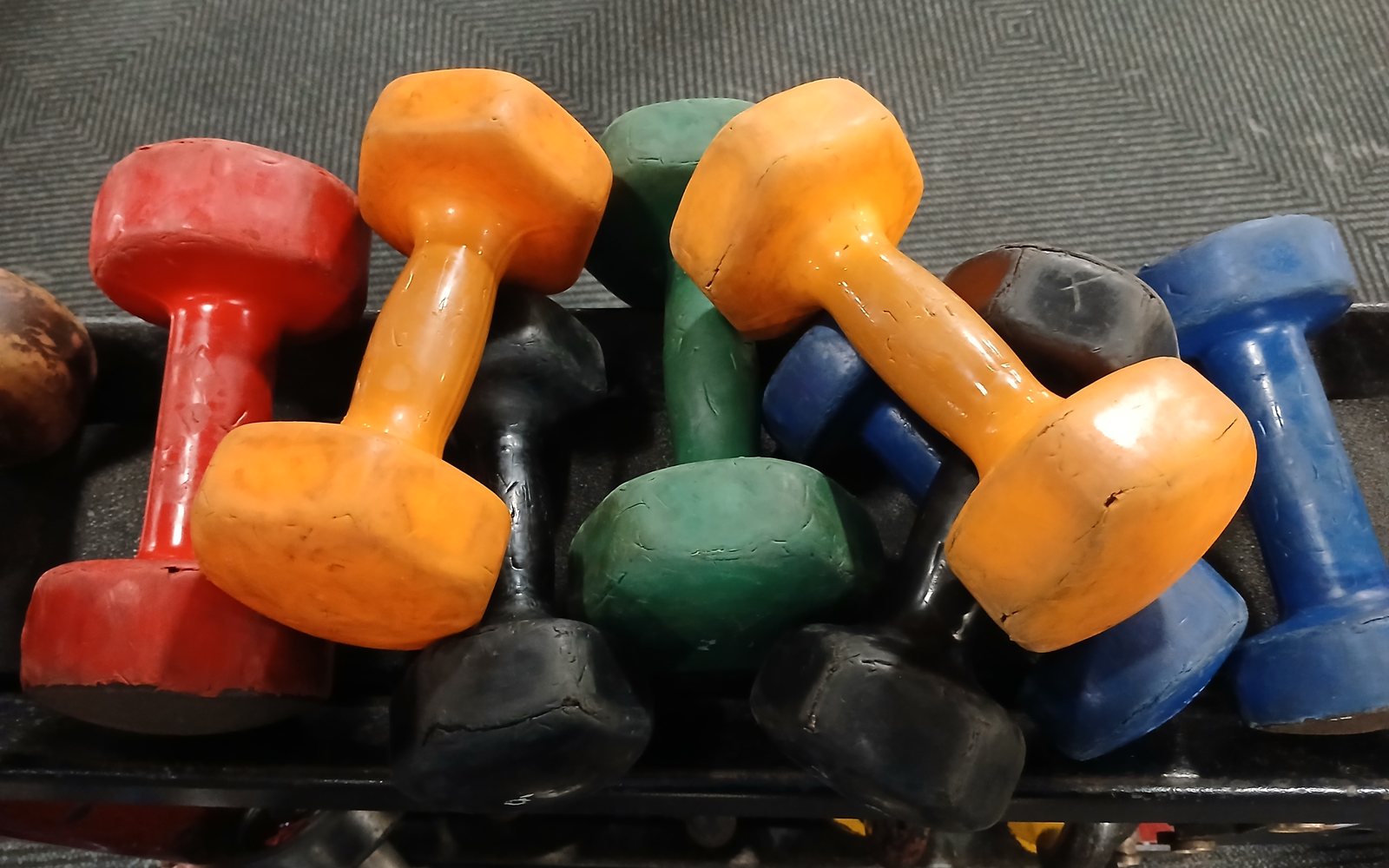

- Use several low-fatigue warm-up sets to discover the day's working load.
- Choose a weight that reaches the target range with clean repetitions still available.
- Record the result so the next session begins with evidence instead of another guess.
Treat the first load as a small test
A starting weight cannot be calculated perfectly from appearance, age, or another person's lift. Exercise variation, machine design, range of motion, technique, sleep, and training history all change the answer. The practical solution is a sequence of easy sets that reveals how the movement and load feel today without tiring you before the work begins.
Know the planned repetition range before touching the weight. If the session calls for eight to ten repetitions, your task is to find a load that fits that range with control and a few good repetitions left. Without a range, light and heavy have no useful context. The first session is calibration, not a strength exam.
A starting weight is found through warm-up evidence, not awarded by confidence.
Climb in small, low-fatigue steps
Begin with the empty implement or the lightest practical setting for five to eight smooth repetitions. If technique is stable and the set feels very easy, add a modest amount and perform another three to five. Keep these sets short; their job is to assess the path and prepare the body, not accumulate exhaustion.
As the weight becomes meaningful, make smaller jumps. For a machine, move one plate or pin setting. For dumbbells, choose the next available pair rather than doubling the load because the first felt easy. Larger compound lifts may need several steps; a small isolation exercise may need only one. Equipment labels are not always comparable between gyms.
- First set: learn the path with the lightest practical resistance.
- Middle set: confirm control with a modest increase.
- Working set: reach the target range with repetitions still in reserve.
Use repetitions in reserve as a guardrail
After the final planned repetition, ask how many more clean repetitions you could probably have completed. A beginner might stop with roughly two to four in reserve while learning. This estimate will be imperfect, and that is acceptable. Look for supporting evidence: consistent speed, unchanged range, steady breathing, and no last-second twisting or bouncing.
If you finish the range and could do many more, add a small amount for the next set. If you miss the bottom of the range or technique changes early, reduce the weight. Do not chase the perfect load by adding and removing weight after every sensation. Once you find a controlled range, complete the session and use the record next time.
Leave enough capacity that the last repetition still teaches the same movement as the first.
Make the next session easier to start
Record exercise, load, repetitions, and a simple effort note. At the next session, warm up again and begin near the successful working load. Add weight only after you can complete the top of the range across planned sets with reliable technique. A small increase repeated over time is progressive training; a large jump made to impress the log is noise.
Stop a set for sharp or escalating pain, dizziness, loss of control, or unusual breathlessness. Use rack safeties and a spotter when a failed repetition could trap you. If a recent injury, surgery, pregnancy, health condition, or medication changes exercise tolerance, get an individualized starting point rather than relying on a generic effort scale.
Sources
Use appropriate rack safeties, secure equipment, and a spotter when a failed repetition could trap you. Stop for sharp or escalating pain, dizziness, loss of control, or unusual breathlessness. Seek individualized guidance after injury or surgery and when a health condition or pregnancy changes exercise tolerance.