Calcium and Vitamin D: Build the Bone-Health Pair
Calcium supplies bone-building material and vitamin D helps the body use it. Map food sources first, then address genuine gaps with context.
By Moow Editorial ·
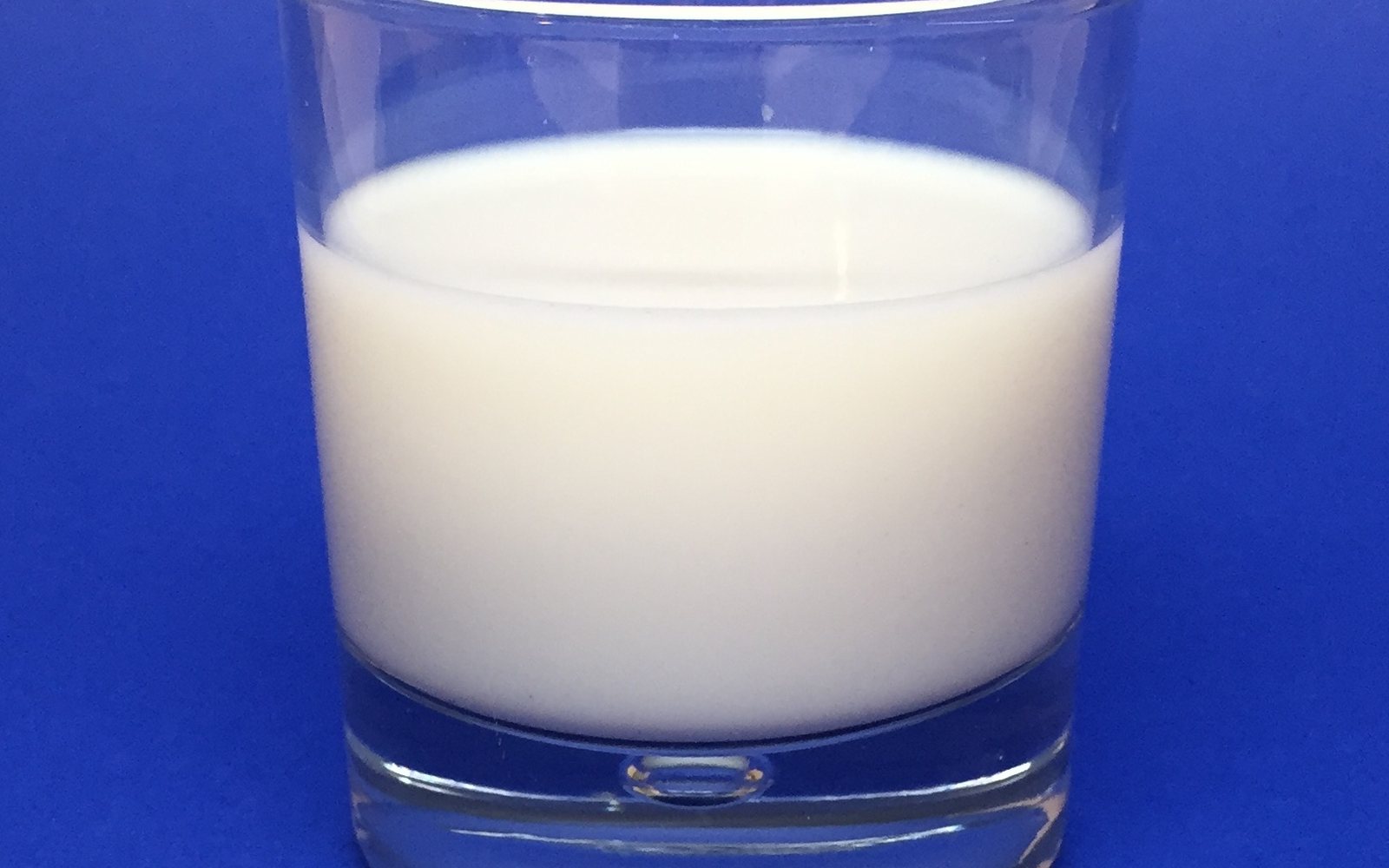

- Map calcium-rich foods across the day instead of chasing one oversized serving.
- Check fortified-food labels because calcium and vitamin D amounts vary.
- Use supplements to solve an identified gap, not as a substitute for food and loading.
The pair does different jobs
Calcium is a mineral used in bone and also in muscle, nerve, and blood-vessel function. Vitamin D helps the body absorb calcium and has other roles. Calling them a pair is useful, but it does not mean one capsule automatically solves bone health. Needs vary with age, life stage, diet, health, and exposure.
Bone health also depends on resistance and weight-bearing activity, adequate total nutrition, and appropriate medical care. Calcium and vitamin D are pieces of that system. More is not automatically better: excessive supplemental intake can create risks, and a high label number cannot compensate for inactivity or an unresolved medical condition.
Map calcium across ordinary meals
Milk, yogurt, and some cheeses are familiar calcium sources. Fortified plant drinks, calcium-set tofu, canned fish with edible bones, and selected greens can also contribute. The amount and absorption differ by food, so variety helps. Check labels on plant drinks and tofu because products that look similar can contain very different amounts.
Instead of attempting to memorize every milligram, mark two or three reliable calcium opportunities in your day. That might be yogurt at breakfast, fortified soy drink in a snack, and tofu or canned salmon at dinner. People avoiding dairy need a deliberate replacement plan, not simply the removal of dairy foods.
Find the vitamin D sources you actually use
Few foods naturally contain substantial vitamin D. Fatty fish, egg yolks, and some mushrooms contribute, while many milks, plant drinks, and breakfast cereals are fortified. Fortification is not universal. Read the nutrition label and serving size rather than assuming every product in a category provides the same amount.
Sun exposure can contribute to vitamin D status, but season, latitude, skin pigmentation, age, clothing, sunscreen use, and time outdoors all affect it. Deliberate unprotected sun exposure is not a precise prescription. If deficiency risk is a concern, discuss whether intake review or testing is appropriate with a clinician.
Close real gaps with the smallest suitable tool
Compare a typical week with age- and life-stage guidance, ideally with a registered dietitian or clinician when risk is elevated. A supplement may be useful when food intake or vitamin D status is insufficient, but product, amount, timing, and medication interactions matter. Count fortified foods and all supplements in the total.
Review bone-health risk more broadly if you have a fragility fracture, osteoporosis, digestive disease, kidney disease, long-term medication exposure, or prolonged menstrual disruption. The plan may require exercise modification, laboratory testing, or treatment beyond nutrition. Food planning remains valuable, but it should sit inside—not replace—appropriate care.
Sources
Do not self-treat suspected vitamin D deficiency or osteoporosis with high-dose supplements. Kidney disease, kidney stones, high blood calcium, malabsorption, pregnancy, and several medicines can change what is appropriate; obtain individualized clinical advice.