Build a Protein-Rich Meal Without Making Protein the Whole Plate
A protein-rich meal still needs room for plants, useful carbohydrate, fat, and flavor. Start with one anchor, then build the rest of the plate.
By Moow Editorial ·
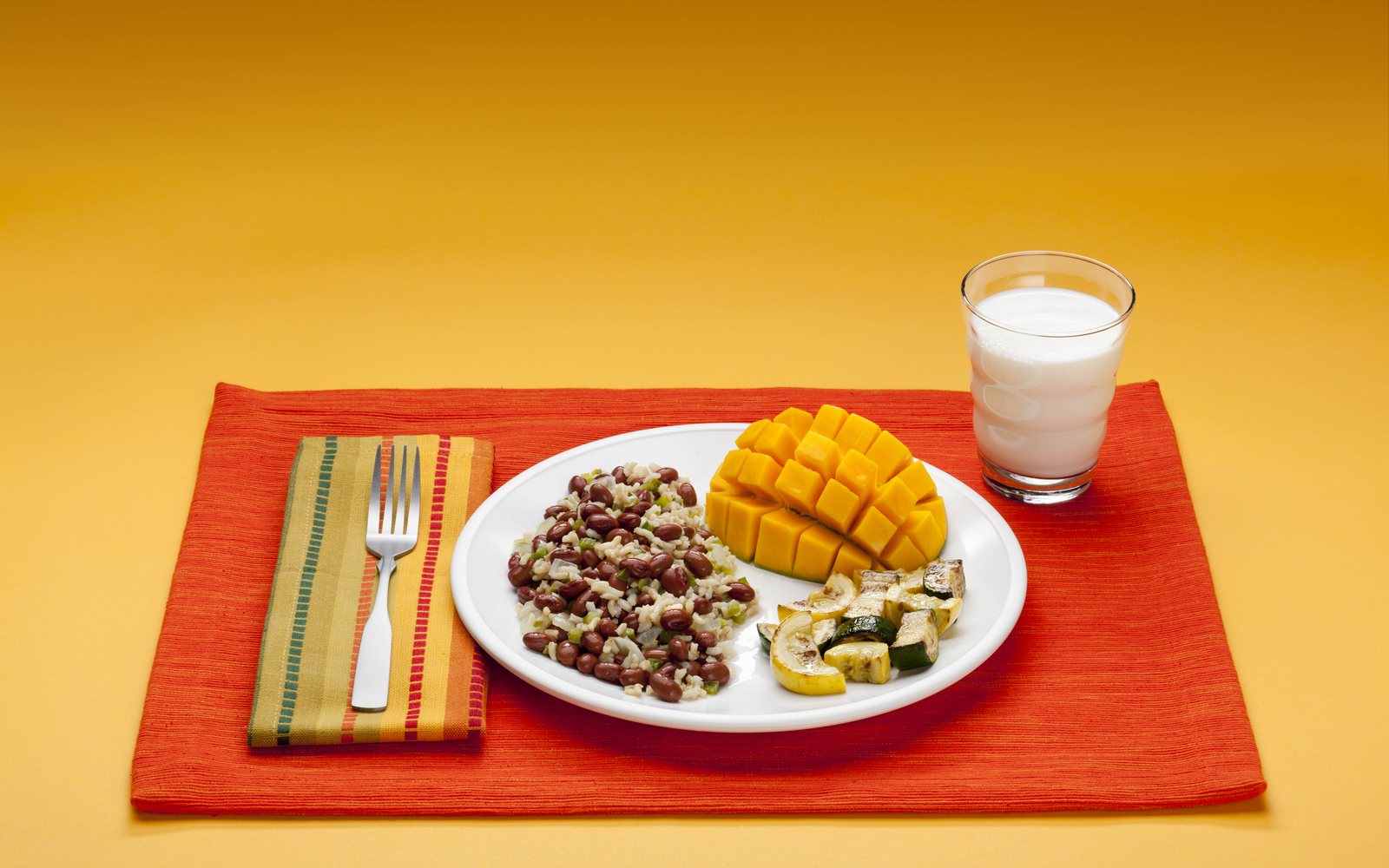

- Choose one practical protein anchor instead of stacking several expensive products.
- Add produce, carbohydrate, fat, and flavor according to appetite and training.
- Distribute protein across meals without requiring every eating occasion to be optimized.
Choose one protein anchor
Begin with a familiar protein food: eggs, yogurt, fish, poultry, lean meat, tofu, tempeh, beans, lentils, or another option that suits your diet. One anchor is usually enough. A meal does not need chicken, egg whites, cheese, and a shake at once to count. Stacking sources can add cost and crowd out foods that provide fiber and micronutrients.
The useful amount depends on body size, total daily need, appetite, and how many meals you eat. Instead of forcing one exact number onto every plate, choose a clear serving and notice whether the meal supports fullness and recovery. People with higher needs may use a larger serving or add a second modest source, such as yogurt or beans.
Protein can anchor the plate without occupying all of it.
Build the rest of the meal
Add vegetables or fruit for color, texture, fiber, and micronutrients. Add a carbohydrate source such as bread, rice, pasta, potatoes, fruit, or grains based on appetite and activity. Include fat through cooking oil, nuts, seeds, avocado, dairy, or a sauce. This is a flexible construction method, not a rule that every plate must show perfect fractions.
Consider a tofu bowl: tofu is the anchor, rice supplies useful carbohydrate, roasted vegetables add volume and variety, and a sesame-lime sauce brings fat and flavor. A turkey sandwich can use the same logic with whole-grain bread, salad vegetables, fruit, and a condiment. Balanced does not require a formal recipe or a fitness-branded ingredient.
- Anchor: one protein food you will reliably eat.
- Support: produce and carbohydrate matched to the meal and day.
- Finish: enough fat, sauce, seasoning, and texture to make it satisfying.
Spread protein without chasing perfection
Muscle protein synthesis responds to protein intake and resistance exercise, so distributing useful servings across the day can be practical. It also makes a daily target easier to reach than relying on a very large dinner. Still, there is no need to set alarms for protein or turn every snack into a shake. Total intake and a sustainable eating pattern remain central.
If breakfast is usually low in protein and hunger returns quickly, test one addition: yogurt, eggs, milk or fortified soy beverage, tofu, or leftovers. Hold the change for a week and judge appetite and convenience. If three meals already meet your needs comfortably, an extra protein snack may add work without solving a problem.
Distribution is a useful refinement after enough total food—not a reason to eat by stopwatch.
Use supplements only for logistics
Protein powder can be a convenient shelf-stable option, but it is not inherently more anabolic than an adequate meal pattern. Choose a simple product when travel, appetite, or time makes food difficult. Check serving size, ingredients, allergens, and independent sport certification if tested competition is relevant. Avoid blends that hide doses behind proprietary formulas.
High-protein plans are not appropriate without guidance for everyone. Kidney disease, significant liver disease, prescribed protein restrictions, pregnancy, adolescence, and eating-disorder recovery require individual context. If increasing protein causes persistent digestive symptoms or displaces most plant foods, step back and review the whole plate rather than solving the issue with another specialized product.
Sources
People with kidney disease, significant liver disease, prescribed protein restrictions, metabolic conditions, or persistent digestive symptoms should seek individualized advice before materially increasing protein. Needs also differ during pregnancy, adolescence, and eating-disorder recovery.