Build a Snack That Actually Holds You
A useful snack bridges a real gap. Pair staying power with convenience, then size it for the time until your next meal and the work ahead.
By Moow Editorial ·
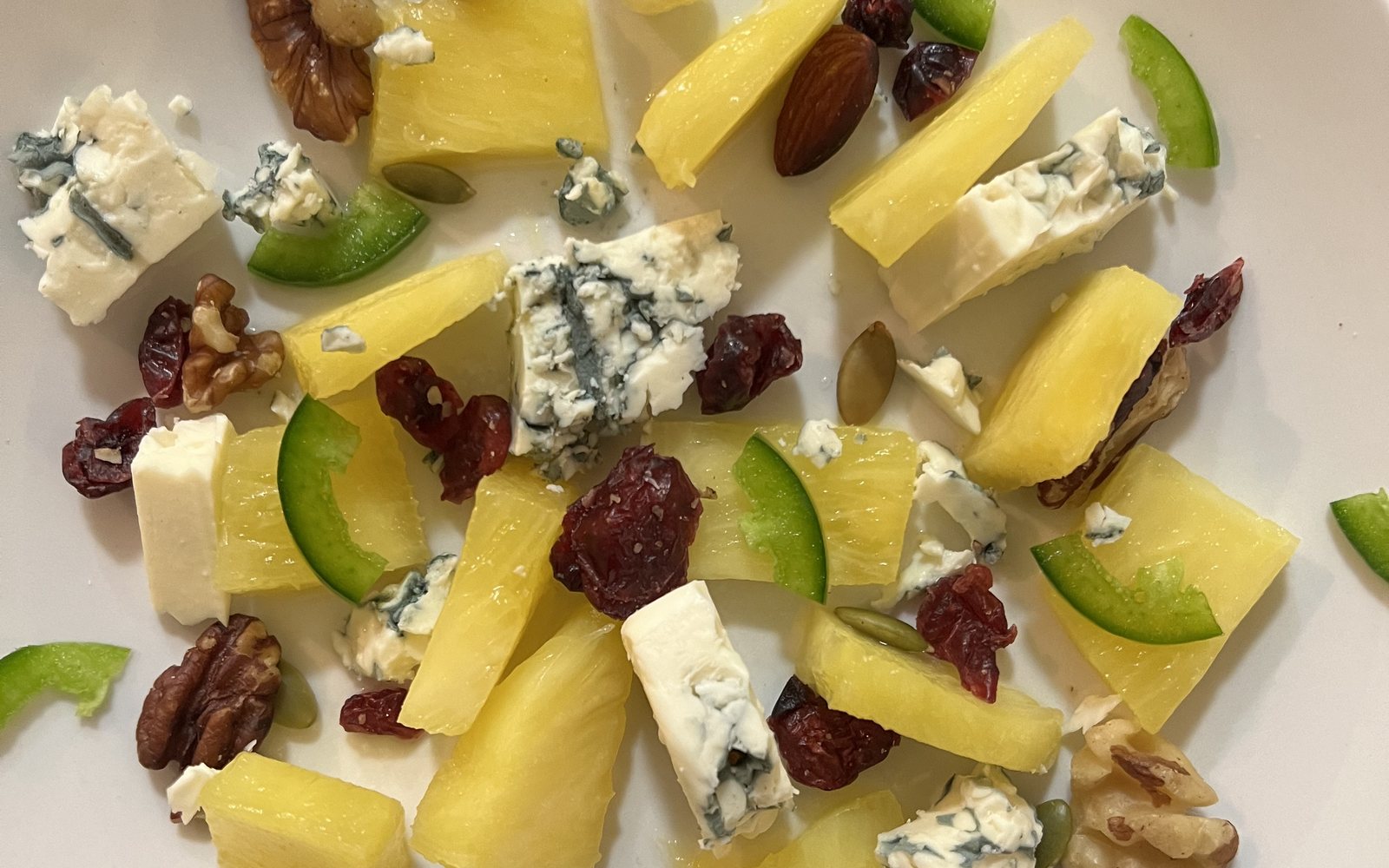

- Give a snack a job: bridge hunger, support training, or solve a schedule gap.
- Pair two useful components when you need more staying power.
- Keep convenient options visible and portion them for the gap ahead.
Give the snack a job
A snack can bridge a long gap between meals, provide fuel before training, help recovery when dinner is delayed, or simply offer an enjoyable eating occasion. Naming the job makes the choice easier. A piece of fruit may be enough for a short bridge; a six-hour gap may call for something closer to a small meal. More ingredients are not automatically better.
Check whether you are physically hungry, responding to a cue, or seeking a break. All three experiences are real, but they suggest different solutions. Food may still be the choice; the point is to make it deliberately. If every afternoon snack happens while standing at an open cupboard, a planned option and an actual pause may be more satisfying than repeated bites that never register.
Start with the gap you need to bridge, not a list of approved snack foods.
Use a two-part formula
For staying power, pair a protein or fat source with a fiber-rich carbohydrate or produce. Try yogurt and berries, fruit and nuts, hummus and vegetables with crackers, cheese and an apple, or roasted chickpeas with fruit. The pairing is a convenience framework, not a biochemical requirement. A single food can still be the right snack when the gap is short.
Size the snack by what comes next. If dinner is in an hour, choose a smaller option. If you are traveling through the afternoon, pack enough to prevent an emergency search later. Hunger varies from day to day; a pre-portioned package is a starting reference rather than a command to stop eating when you still need more.
- Short bridge: fruit, yogurt, milk, or a small handful of nuts.
- Longer bridge: combine two components or use half a sandwich.
- Delayed meal: build a mini-meal with protein, carbohydrate, and produce.
Match the snack to training timing
Close to a hard session, a familiar carbohydrate-rich snack that is lower in fat and fiber may digest more comfortably: toast, a banana, applesauce, or crackers are examples. With more time, add protein and a larger portion. Personal tolerance matters, and ordinary workouts rarely require a specialized bar or powder.
After training, use a snack when the next meal is several hours away. Combine protein and carbohydrate, such as yogurt and fruit or milk and a sandwich half. If dinner is soon, the meal can do the recovery work. The idea of a closing window should not force you to eat beyond comfort or buy a product that solves no logistical problem.
The clock changes the most practical snack; it does not turn food into a performance test.
Design convenience before hunger peaks
Keep two shelf-stable choices in a bag or desk and two ready-to-eat choices at home. Pair items when packing them so the decision is already made. Compare packaged snacks by serving size and the nutrients relevant to your goal, but do not assume front-label words such as natural or protein make a product more filling.
Persistent extreme hunger, unintended weight change, dizziness, or frequent binge episodes deserves more than snack optimization. Restrictive eating can also make normal hunger feel like a failure. A registered dietitian or clinician can help when medical conditions, allergies, medication, pregnancy, or eating-disorder recovery affect what and when you eat.
Sources
Account for diagnosed food allergies, medication timing, diabetes care, pregnancy guidance, and eating-disorder recovery when planning snacks. Seek qualified care for persistent extreme hunger, recurrent binge episodes, dizziness, or unexplained weight change rather than responding with tighter restriction.