Body Comments Are Not Motivation: Set a Better Group Norm
Comments about weight, shape, and appearance can land unpredictably. Build a fitness group that asks consent and celebrates actions, skills, function, and support.
By Moow Community ·
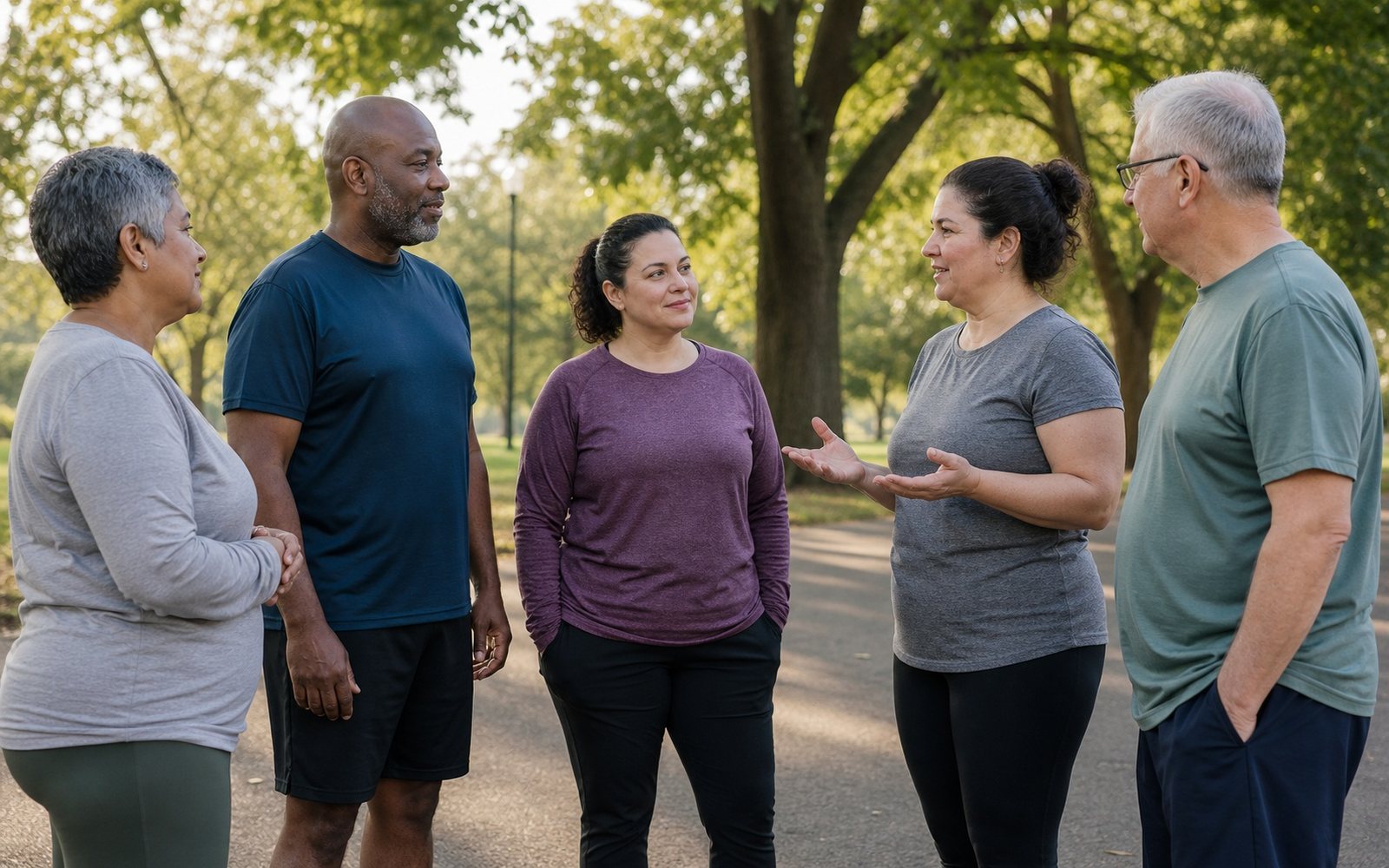
- Do not use unsolicited weight or appearance comments as encouragement.
- Ask what kind of recognition a person wants before sharing their progress.
- Praise specific actions, skills, function, and support rather than assigning body value.
Good intent does not control the impact
Telling someone they look thinner, bigger, leaner, or more toned may sound complimentary to the speaker. The listener may be ill, grieving, pregnant, changing medication, recovering from an eating disorder, or simply unwilling to have their body evaluated. You cannot know from appearance whether a change is intentional or healthy.
A group norm against unsolicited body comments removes guesswork. It does not prohibit members from discussing their own goals or asking for specific support. It establishes that another person's appearance is not public progress data. The same rule should apply to supposed compliments, jokes, concern disguised as gossip, and before-and-after speculation.
A compliment is not automatically harmless when it makes someone else's body the group topic.
Ask how someone wants progress recognized
Before a challenge or training block, let members choose what can be shared: attendance, distance, a new skill, consistency, energy, a private metric, or nothing. Consent should be specific and reversible. Permission to celebrate a first pull-up does not grant permission to post a photograph or discuss weight.
Use direct questions: 'Would you like this recognized in the group?' and 'What wording feels right?' If the answer is no, respond normally and move on. Requiring a public celebration can turn support into another performance demand. Quiet progress is still progress.
- Ask before naming or posting anyone's progress.
- Let members select the metric and the audience.
- Make declining easy and free of follow-up pressure.
Praise actions, skills, and support
Make recognition specific: showing up during a busy week, using a safer modification, pacing an easy run correctly, learning a setup, or helping another member feel included. These comments point to behavior the person controlled without claiming to know what their body means. Function can also matter, but avoid assuming every person values the same ability milestone.
Avoid moral language about food and exercise. Members did not earn dinner by training, and missing a workout does not make them lazy. Humor that relies on punishment, guilt, or body shame may build conformity while weakening psychological safety. Coaches and moderators should model alternative language consistently, not only intervene after a complaint.
Name what the person did; do not assign a verdict to what their body looks like.
Respond and repair when a line is crossed
If someone makes an appearance comment, a brief correction can be enough: 'We do not evaluate bodies here; ask what they want celebrated.' Do not make the targeted person explain why the comment hurt. Remove repeated or severe violations according to clear moderation rules and provide a private reporting route.
When eating-disorder behavior, rapid unexplained weight change, self-harm language, or medical symptoms appear, do not turn the group into a treatment team. Encourage appropriate professional or emergency support and follow safeguarding procedures. A supportive community can reduce isolation, but it cannot diagnose, monitor, or treat a health condition.
Sources
A fitness group cannot diagnose or treat eating disorders, unexplained weight change, self-harm risk, or other medical concerns. Use qualified clinical or emergency support when needed. Never pressure a member to disclose health information or publicly document body change.