Balance Training: Practice Before You Need It
Balance is a trainable skill, not a test you have to pass. Use stable support, small progressions, and frequent practice before daily life demands it.
By Moow Editorial ·
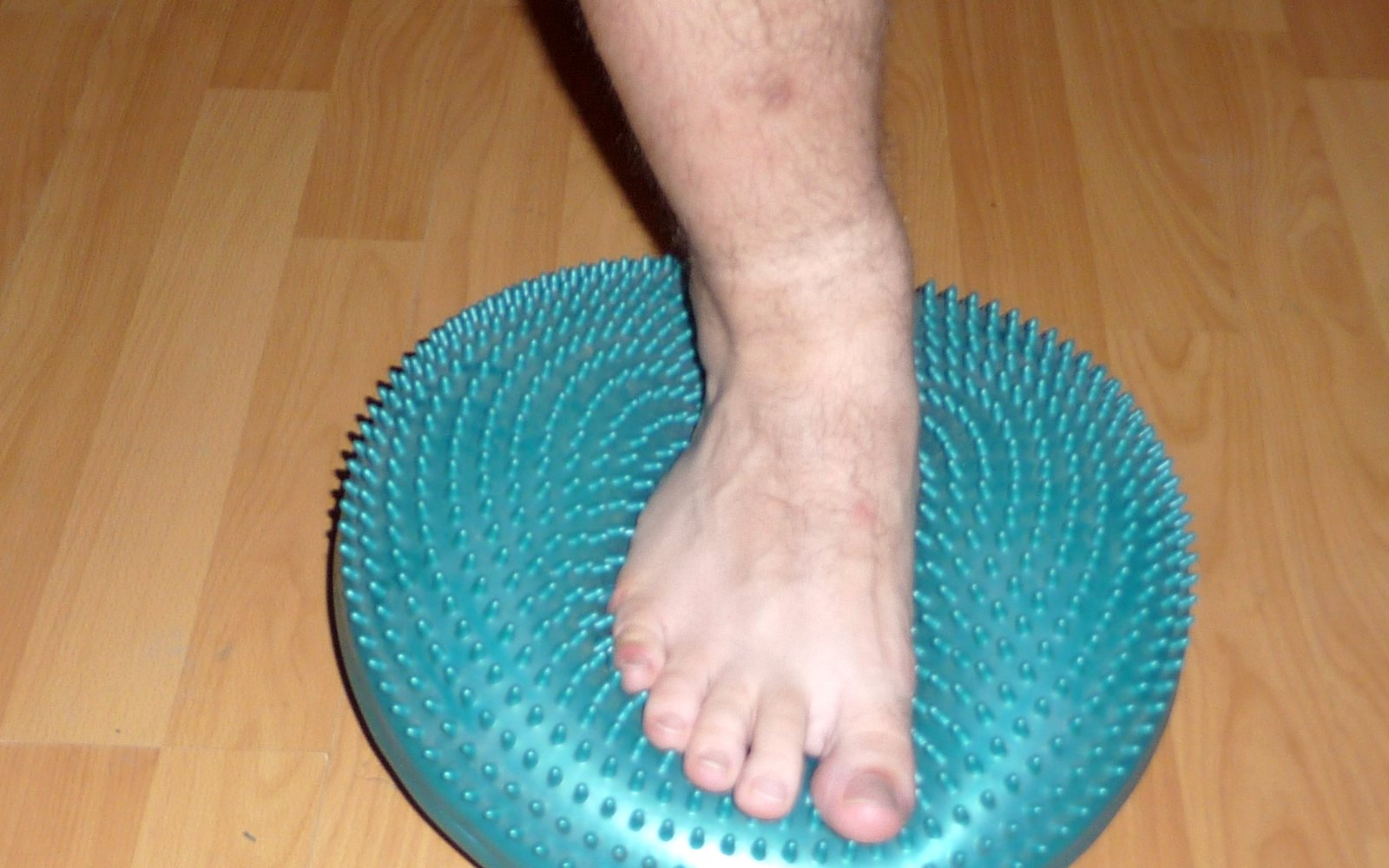

- Practice near a stable support so a wobble stays a practice rep.
- Progress one variable at a time: base, vision, head movement, or task.
- Pair balance work with strength and regular activity.
Treat balance as a skill, not a verdict
Balance blends sensory information, strength, joint motion, attention, and quick corrections. It changes with fatigue, illness, medication, lighting, footwear, and the surface under you. One shaky attempt does not define your ability; it identifies the conditions and skills that deserve practice.
Public-health guidance for older adults specifically includes balance activity alongside aerobic and muscle-strengthening work. Younger adults benefit from practicing it too, especially when their sport, job, or daily life includes uneven ground and direction changes. The goal is not to eliminate every wobble but to recover from small disturbances safely.
Build a practice station first
Use a clear patch of nonslip floor beside a wall, countertop, or heavy chair that will not slide. Wear secure footwear or practice barefoot only when the surface and your feet make that appropriate. Keep pets, loose rugs, and rolling furniture outside the practice area.
Begin with a narrow stance and light fingertip support. Shift weight slowly left and right, then forward and back without lifting the feet. When that feels controlled, try a staggered stance, heel-to-toe stance, or a brief supported single-leg hold. Breathe normally and stand tall rather than gripping with the toes.
Change one demand at a time
Balance becomes harder when the base narrows, the surface changes, the head moves, visual information decreases, or another task competes for attention. Choose only one progression. For example, keep your eyes open and the floor firm while reducing hand support; do not simultaneously close your eyes and stand on a cushion.
Use short, high-quality bouts—perhaps three twenty-second attempts per side—with rest when concentration fades. Progress when you can enter the position, maintain it with small corrections, and exit deliberately. A stopwatch is optional; the quality of the recovery matters more than a heroic duration.
Carry the skill into daily movement
Practice two or three movements for a few minutes on several days each week, then pair them with strength work for calves, hips, legs, and trunk. Walking, tai chi, dancing, and appropriately designed group exercise can add dynamic balance, but they do not remove the need to scale the environment to your current ability.
Track useful wins: less hand pressure, steadier turns, easier stair negotiation, or more confidence on a familiar path. New falls, unexplained dizziness, sudden weakness, vision changes, or rapidly worsening balance need clinical attention. Training is appropriate for capacity; it is not a substitute for investigating a new symptom.
Sources
Use stable support and supervision if you are unsteady or have fallen recently. Seek prompt medical assessment for sudden balance loss, fainting, new one-sided weakness, severe headache, chest symptoms, or new vision or speech changes.