Accessory Exercises: Solve a Need, Do Not Fill Time
An accessory earns its place by supporting a goal the main work does not cover well enough. Give every extra exercise a job, a dose, and a review date.
By Moow Editorial ·
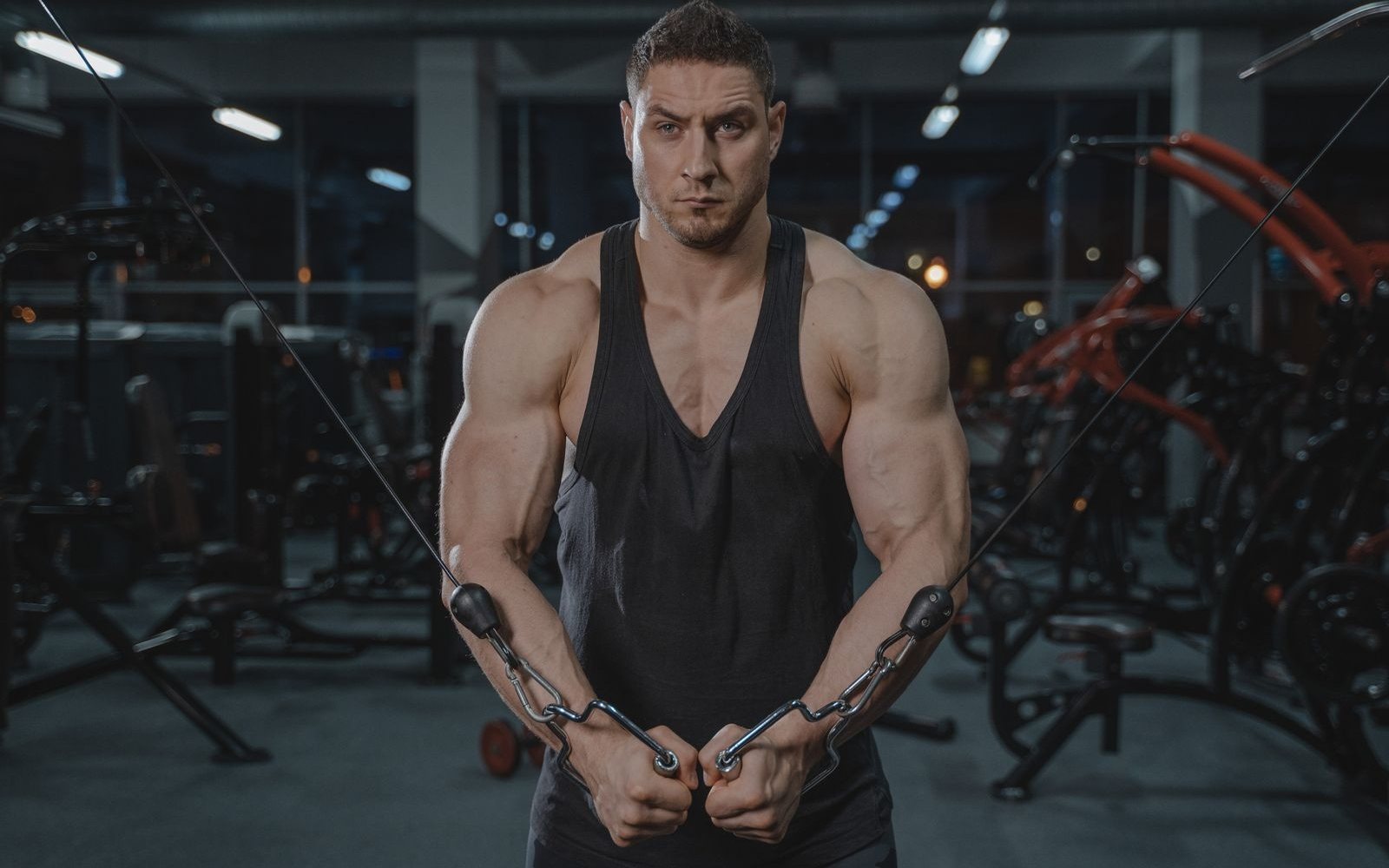
- Name the specific goal each accessory serves before adding it to the session.
- Choose a stable, tolerable exercise that trains the need without compromising priority work.
- Review accessories regularly and remove work that adds fatigue without measurable value.
Every accessory needs a job description
Main exercises usually cover the largest training priorities. Accessories address a smaller need: additional work for a target muscle, practice in a neglected movement, tolerance at a specific range, balance between sides, or conditioning that the main lift does not provide. They are supporting roles, not a random list after the important work.
Write the job beside the exercise. “Cable row—add upper-back volume” is useful; “cable row—back day” is vague. If you cannot explain what the exercise contributes, it may be habit or entertainment rather than programming. Enjoyment is a valid reason, but it still needs to fit the session’s time and recovery budget.
Choose the simplest match
An accessory should be easy enough to learn that you can load the intended tissue without extensive setup or fear. Machines, cables, bands, dumbbells, and body-weight options can all work. Select the one that feels stable, offers a comfortable range, and can be progressed with the equipment and time you reliably have.
Do not choose exercises solely because they look advanced or create an intense burn. Novel balance challenges may reduce how much useful work the target muscle receives. A complicated variation can be appropriate for a skill goal, but complexity is not a feature by itself. Match the tool to the job rather than the other way around.
- What outcome should this exercise support?
- Can I perform it comfortably and repeatably?
- Can I progress or regress it with available equipment?
- What will I remove if time or recovery is limited?
Start with a small recoverable dose
Place accessories after the higher-priority work unless one is being used deliberately as preparation. Begin with one to three exercises and a modest number of challenging sets. Use controlled repetitions and stop before technique changes. Adding six movements because each seems individually helpful can turn a focused session into an unfocused volume problem.
Progress an accessory the same way you would other resistance work: build repetitions within a range, improve control, then consider a small load increase. You do not need a personal record on every movement. If the main lift suffers because accessories leave you sore or extend sessions beyond what you attend consistently, reduce the support work.
Review the job, not your attachment
After four to eight weeks, revisit the stated need. Look for a relevant change: more comfortable movement, improved repetitions, additional target-muscle volume, or better symmetry in task performance. If the exercise is impossible to progress, repeatedly irritates you, or has no clear link to the goal, replace or remove it.
Accessories should evolve when goals, equipment, and tolerance change. Removing one is not losing progress; it is protecting attention for work that matters now. Pain is not evidence that an exercise is correcting a weakness. Persistent symptoms or meaningful side-to-side loss of function deserve appropriate assessment rather than an expanding list of corrective drills. If two accessories serve the same job equally well, favor the option that is comfortable, available, quick to set up, and easiest to repeat consistently.
Sources
Accessories are training exercises, not treatment or diagnosis. Stop or modify work that causes sharp, escalating, or persistent pain, and seek qualified care for injury, new weakness, numbness, swelling, or meaningful loss of function.